Woolacombe is a coastal village on North Devon's Atlantic coast that combines natural beauty with modern amenities. The settlement has grown from a traditional fishing community into a thriving year-round destination whilst maintaining its authentic character. Three miles of golden sand form the centrepiece of village life, backed by UNESCO-protected dunes and dramatic headlands. The area attracts families, water sports enthusiasts and those seeking a coastal lifestyle without sacrificing connectivity to regional centres.
About Woolacombe
Woolacombe sits within the North Devon Area of Outstanding Natural Beauty, positioned between the rugged headlands of Morte Point to the north and Baggy Point to the south. The village forms part of the civil parish of Mortehoe and lies approximately 14 miles west of Barnstaple, the principal town of North Devon.
Historical records trace the settlement back to pre-Norman times, with its name derived from the Saxon "Wulfacombe" meaning "valley of wolves." The village remained a small agricultural community until the Victorian era when improved transport links brought the first holidaymakers to the coast. The railway extension to Ilfracombe in 1874 marked the beginning of tourism as a local industry.
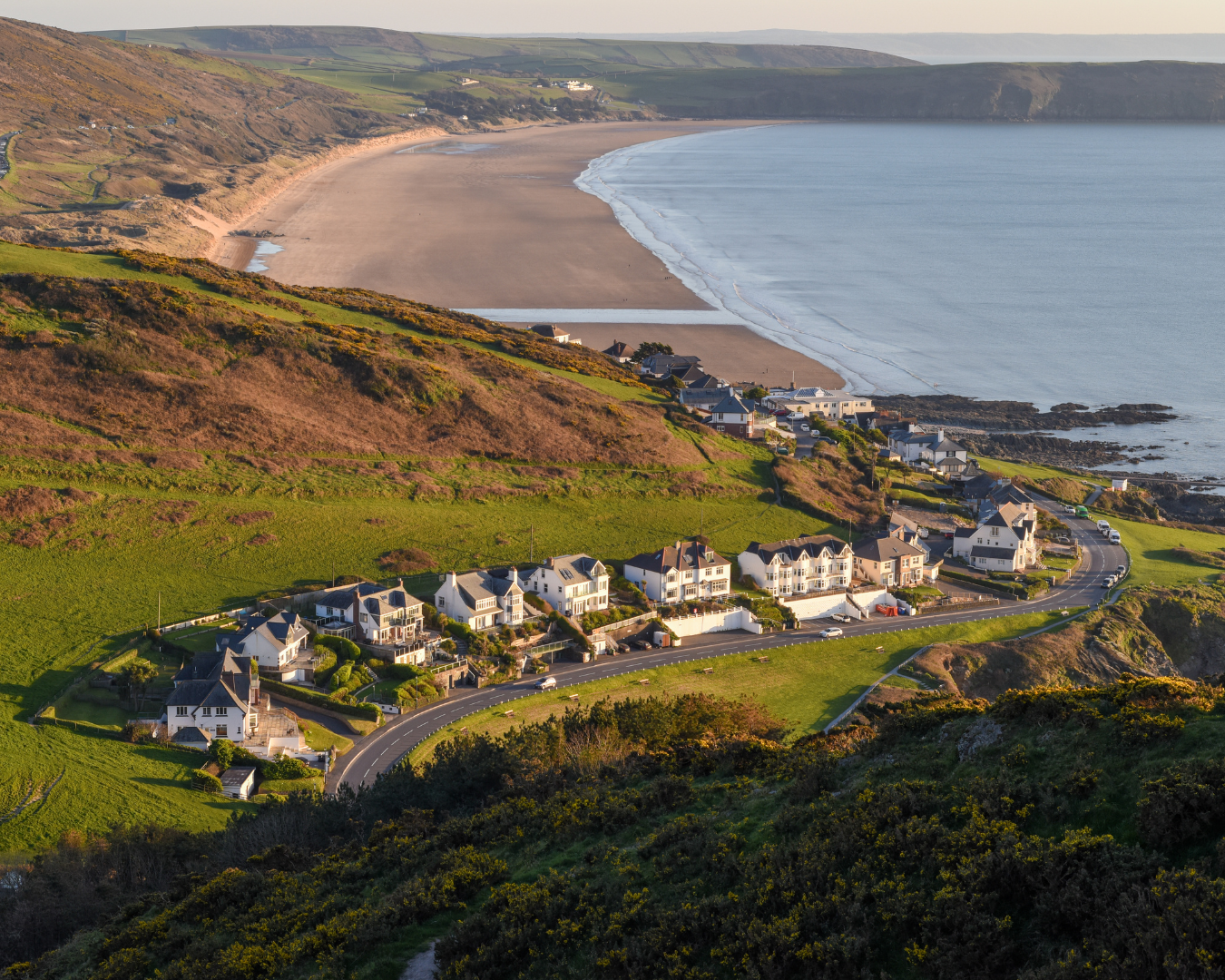
The beach itself is privately owned by Parkin Estates, ensuring consistent management standards and year-round RNLI lifeguard provision. This arrangement has contributed to multiple Blue Flag awards and recognition as one of Britain's finest beaches by various national surveys.
The resident population remains modest at approximately 800 people, swelling significantly during summer months. Despite its tourism economy, Woolacombe maintains a genuine community spirit through active local organisations, including the highly successful Surf Life Saving Club and environmental initiatives such as Plastic Free North Devon.
The village sits within the North Devon Biosphere Reserve, a UNESCO designation recognising the area's exceptional natural environment and sustainable development practices. This status influences local planning policy and ensures development remains sympathetic to the landscape.
Property Market in Woolacombe
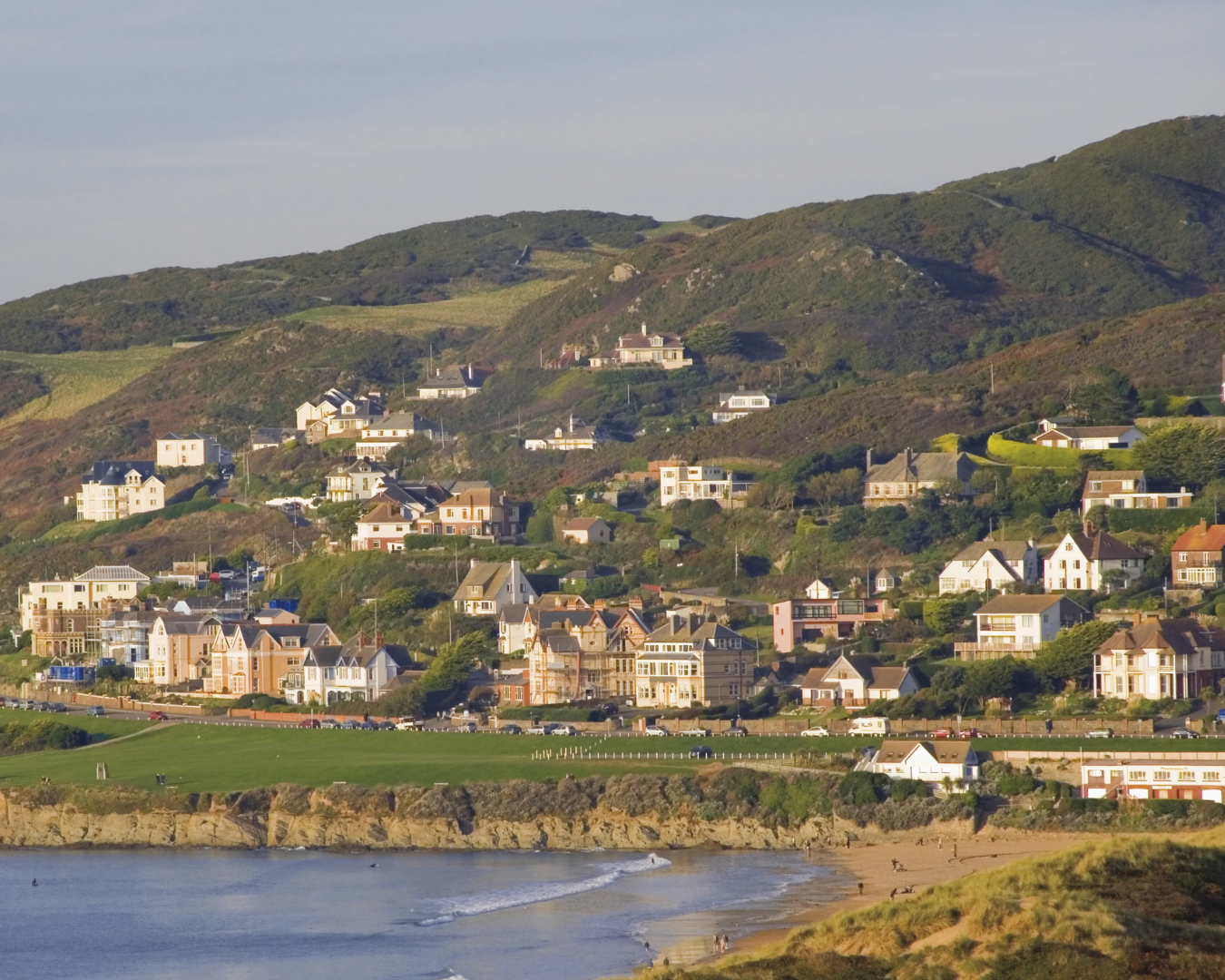
The Woolacombe property market reflects its status as a premium coastal location with limited development opportunities due to planning restrictions within the Area of Outstanding Natural Beauty. Properties range from traditional stone cottages in the village centre to modern apartments with sea views and substantial family homes on the hillsides surrounding the bay.
Demand remains consistently strong across all property types, driven by multiple buyer demographics. Permanent residents seek properties offering year-round practicality, whilst second-home buyers and investors target properties with holiday rental potential. The private ownership of the beach and high environmental standards add to the area's investment appeal.
The village centre offers period properties with character features, many within walking distance of amenities and the beach. Developments such as Dolphin Court and Headland Court provide apartment living with modern specifications and communal facilities. Detached properties on elevated positions around Mortehoe and the surrounding hillsides command premium values due to panoramic coastal views.
Planning permissions in recent years have focused on sustainable modernisation rather than large-scale development. Applications include energy-efficiency upgrades, small-scale conversions of existing structures and selective infill development. The Parish Council shows preference for developments that provide affordable housing for local residents and resists unrestricted holiday let conversions without demonstrated community benefit.
Properties with direct beach access or uninterrupted sea views achieve the highest values. The limited supply of such properties, combined with the area's protected status restricting new development, supports price resilience. Buyers should note that many properties serve dual purposes as permanent homes and holiday rentals, providing income potential alongside residential use.
Arrange a Property Valuation
Please do get in touch if you are considering selling in the area and one of our experienced agents will be delighted to assist. Contact us today on 01271 325153.
The Best of Woolacombe: Things to Do
Woolacombe offers an active lifestyle centred on outdoor pursuits and natural landscapes. The village provides year-round activities from surfing and coasteering to walking the South West Coast Path and exploring protected nature reserves. Cultural attractions include local history, seasonal events and access to North Devon's broader heritage sites. The combination of Atlantic coastline, UNESCO-protected environments and community-led initiatives creates varied leisure opportunities.
Parks and Green Spaces
Woolacombe Beach
The three-mile stretch of golden sand forms the heart of the village and holds Blue Flag status. The beach offers safe swimming with RNLI lifeguard coverage and consistent Atlantic swells suitable for surfing at all levels. The sand remains firm enough for beach sports and family activities.
Barricane Beach
This smaller cove at the northern end of the main beach holds Site of Special Scientific Interest designation due to exotic shells carried by the Gulf Stream. The sheltered position provides calmer waters and the beach becomes accessible at low tide via coastal paths.
Woolacombe Down
The headland above the village provides panoramic views across the bay to Lundy Island. Open grassland crossed by footpaths offers walking opportunities and the area forms part of the National Trust's coastal holdings.
Morte Point
This dramatic headland marks the northern boundary of Woolacombe Bay. Rocky outcrops and tidal pools attract wildlife watchers whilst the exposed position provides year-round coastal scenery. The point connects to the South West Coast Path network.
South West Coast Path
The 630-mile National Trail passes directly through Woolacombe, connecting to routes north towards Ilfracombe and south to Croyde. The local section provides moderate to challenging terrain with coastal views and access to hidden coves.
Braunton Burrows
Located three miles south, this UNESCO Biosphere Reserve contains the largest sand dune system in England. The site supports rare flora and fauna with boardwalk trails through protected habitats. Access remains unrestricted for walking and nature observation.
Grunta Beach
A secluded cove accessible via steep paths from Morte Point offers a dog-friendly alternative to the main beach. The location remains quiet even during peak season and local history includes a Victorian shipwreck carrying pigs that gave the beach its name.
Local Attractions and Cultural Highlights
Woolacombe Surf Life Saving Club
Founded in 1962, the club has achieved national recognition with members winning multiple UK championships. In 2024 and 2025, it received "Super Life Saving Club of the Year" honours across Nipper, Youth and Senior categories. The facility provides training and competitive opportunities alongside community beach safety programmes.
Borough Farm
Wednesday evening displays throughout summer months showcase traditional sheep dog handling and falconry demonstrations. The working farm offers insight into local agricultural heritage and pastoral practices that shaped the area's development.
Ilfracombe
Six miles north, this Victorian harbour town provides additional cultural attractions including Damien Hirst's Verity sculpture, the Tunnels Beaches network and Ilfracombe Museum. The working harbour maintains fishing traditions alongside tourism infrastructure.
Lundy Island
Visible from Woolacombe on clear days, this three-mile granite outcrop lies 12 miles offshore. The MS Oldenburg operates seasonal sailings from Ilfracombe and Bideford. The island holds Marine Conservation Zone status with exceptional diving, seabird colonies and historical ruins.
Mortehoe Heritage Centre
The village museum documents local history through photographs, artefacts and records dating to pre-Norman settlement. Displays cover maritime heritage, agricultural development and the evolution of tourism in North Devon.
National Cycle Network Routes
Route 27 provides traffic-free cycling from Woolacombe to Ilfracombe on former railway lines. Route 278 creates a 7.4-mile loop through Georgeham, Putsborough and Mortehoe with coastal views. Both routes form part of the wider Devon Coast to Coast network.
Schools and Education
Educational provision for Woolacombe families includes local primary education with secondary options in nearby Ilfracombe and Braunton. North Devon's educational infrastructure provides comprehensive choices from early years through to further education colleges in Barnstaple.
Woolacombe Primary School
The village primary school serves children aged 4 to 11 with a focus on outdoor learning that utilises the coastal environment. Small class sizes enable personalised attention within a community-focused setting.
Ilfracombe Academy
This secondary school serves ages 11 to 18 with sixth form provision. The academy offers broad curriculum choices including vocational qualifications and maintains partnerships with local businesses for work experience programmes.
West Buckland School
An independent day and boarding school located 20 miles away near Barnstaple offers education from nursery through to sixth form. The school provides extensive facilities including sports grounds and specialist teaching spaces.
Petroc College
North Devon's further education college operates campuses in Barnstaple and Braunton providing vocational courses, apprenticeships and adult education. Subject areas include construction, hospitality, health and social care alongside academic A-levels.
Dining in Woolacombe
Woolacombe's dining scene has evolved beyond traditional seaside cafes to include Michelin-recognised establishments and innovative food concepts. Local restaurants champion ingredients from the UNESCO Biosphere Reserve with an emphasis on fresh seafood landed at nearby harbours. The village supports year-round dining alongside seasonal venues that operate during summer months.
Noel Corston
This Michelin-starred venue offers dinner-only service with just ten seats. A single tasting menu showcases ingredients from the North Devon Biosphere Reserve. The intimate setting and critical acclaim establish it as a destination restaurant requiring advance booking.
The Beach House
Specialising in locally landed seafood, this restaurant combines contemporary styling with a relaxed atmosphere. The venue provides panoramic coastal views and has built a reputation for Sunday roasts using local produce.
New Coast Kitchen
Located in nearby Croyde, this Michelin-featured restaurant holds two AA Rosettes. The menu focuses on modern British cooking with seasonal ingredients sourced from North Devon suppliers.
The Red Barn
Following a March 2025 refurbishment, this sea-view pub has reopened with updated interiors and an expanded terrace. The venue serves as a social hub for surfers and families throughout the year.
The Jube
A gastropub partnership with The Lush Food Company provides an extensive menu including burgers, sharing platters and bar meals. The modern interior accommodates families whilst maintaining a relaxed dining atmosphere.
Bar Electric
This venue combines pizzas, burgers and vegan options with live music events. The coastal-themed space serves signature dishes including loaded fries alongside craft beers and cocktails.
Meraki Coffee Co
Located on South Street, this independent cafe provides barista coffee, homemade cakes and brunch options. The welcoming space serves both residents and visitors seeking quality refreshments.
The Beachcomber Cafe
Overlooking the bay, this establishment specialises in breakfast and lunch service with vegetarian-friendly choices. The position provides beach views throughout operating hours.
Barricane Beach Curry
During summer evenings, the Barricane Beach Cafe serves authentic Sri Lankan curries on the sand. This seasonal tradition attracts locals and visitors for sunset dining directly on the beach when weather permits.
South Street Food
A boutique takeaway offers premium coastal dishes including lobster rolls and crab dogs alongside Portuguese custard tarts. The focus on quality ingredients establishes it as an alternative to standard takeaway options.
Woolacombe Fryer
Traditional fish and chips are available from this established takeaway. The menu covers classic seaside fare for beachside dining or takeaway service.
Transport and Connectivity
Woolacombe maintains connections to regional transport networks despite its coastal location. Road links via the A361 provide access to the M5 motorway system whilst bus services connect to Barnstaple's rail station. The village forms part of National Cycle Network routes offering traffic-free paths to neighbouring settlements.
Road Networks
The A361 North Devon Link Road forms the primary route connecting Woolacombe to the national motorway network. This improved road joins the M5 at Junction 27 near Tiverton, approximately 40 miles from the village. Journey times to regional centres include Barnstaple at 14 miles and Exeter at approximately 50 miles.
Local roads through the village and surrounding parishes provide access to neighbouring communities including Mortehoe, Georgeham and Croyde. The coastal road network follows historic routes with gradients and narrow sections characteristic of the topography.
Rail Services
Barnstaple Station provides the nearest rail connection, located 14 miles from Woolacombe. The Tarka Line operates regular services to Exeter St David's where connections join the national rail network. The journey to Exeter takes approximately one hour with onward services to London, Bristol and other major cities.
Bus Services
Routes 303 and 31 provide the primary bus connections serving Woolacombe. Services operate hourly during peak periods connecting to Barnstaple, Ilfracombe and intermediate villages. Seasonal variations affect timetables with enhanced frequency during summer months.
Airport Access
Exeter International Airport lies approximately 50 miles from Woolacombe with domestic and European flight connections. Bristol Airport provides additional options at approximately 85 miles, serving a broader network of destinations. Both airports maintain year-round schedules with parking and ground transport facilities.
Cycling Infrastructure
National Cycle Network Route 27 creates a traffic-free path from Woolacombe to Ilfracombe using a former railway line. The Devon Coast to Coast route spans 99 miles connecting the Bristol Channel to the English Channel. Route 278 forms a 7.4-mile loop through local villages with coastal scenery.
The Tarka Trail becomes accessible from Braunton, three miles south of Woolacombe. This 30-mile traffic-free path follows the Taw and Torridge estuaries on former railway lines, providing safe cycling for all abilities.
Walking Routes
The South West Coast Path passes through Woolacombe as part of its 630-mile route around the South West Peninsula. Local sections connect Morte Point to Baggy Point with moderate to challenging terrain. Coastal access provides walking opportunities throughout the year with dramatic scenery and wildlife observation.
Golf Courses in Woolacombe
North Devon provides exceptional golfing opportunities with courses ranging from historic championship links to scenic clifftop layouts. Woolacombe's position allows access to multiple venues within short distances, including courses ranked among Britain's finest.
Mortehoe and Woolacombe Golf Club
Located at Easewell Farm, this 9-hole par 66 course provides challenging play with panoramic sea views from every hole. The clifftop setting creates a distinctive golfing experience with prevailing Atlantic winds affecting shot selection. The friendly clubhouse welcomes members and visitors with a golf shop and Sunday carvery service.
Saunton Sands Golf Club
Seven miles from Woolacombe, this facility operates two championship links courses within the Braunton Burrows UNESCO Biosphere Reserve. The East Course holds par 71 status across 18 holes with rankings in the World's Top 100 golf courses. The West Course provides equally demanding links golf with high placement in Great Britain and Ireland rankings. Both courses feature classic dune landscapes with natural hazards and coastal winds creating variable playing conditions.
Ilfracombe Golf Club
Six miles north, this par 69 clifftop course offers sea views from every tee. The elevated position above the Bristol Channel provides dramatic scenery whilst the compact layout maintains interest through varied hole design. The course suits golfers seeking coastal golf without extensive walking distances.
Royal North Devon Golf Club
Located 22 miles from Woolacombe at Westward Ho, this par 72 championship course holds the distinction of being England's oldest golf club, founded in 1864. The historic clubhouse and traditional links layout attract golfers interested in the sport's heritage. The exposed coastal position creates challenging conditions with natural rough and prevailing winds.
Shopping in Woolacombe
Woolacombe provides essential shopping through independent retailers, surf shops and local businesses. The village scale supports daily needs whilst Barnstaple offers comprehensive retail facilities including supermarkets and high street chains. Local shops reflect the coastal lifestyle with outdoor equipment and beach essentials alongside conventional retail.
Village Centre Shops
South Street and the main village area contain independent shops serving residents and visitors. Businesses include convenience stores for groceries, newspaper and basic provisions. Several surf shops stock equipment, wetsuits and beach accessories from recognised brands. Gift shops and galleries showcase local crafts, jewellery and artwork.
Barnstaple Shopping
Fourteen miles from Woolacombe, Barnstaple provides North Devon's primary retail centre. The town includes major supermarket chains, high street fashion retailers and specialist shops. Pannier Market operates throughout the week selling local produce, crafts and general merchandise. Retail parks on the town's outskirts provide homeware, electrical goods and automotive supplies.
Farmers Markets and Local Produce
Seasonal markets in nearby villages offer local food producers direct access to customers. Fresh vegetables, meat, dairy products and baked goods reflect North Devon's agricultural heritage. Some producers operate farm shops accepting visitors by appointment or during set hours.
Surf and Outdoor Equipment
Multiple retailers specialise in surfing equipment with new and second-hand boards, wetsuits and accessories. Staff knowledge reflects the local surf culture with advice on equipment suited to Woolacombe's wave conditions. Additional outdoor shops provide cycling equipment, walking gear and camping supplies.
Conclusion and Why Choose Woolacombe
Woolacombe combines exceptional natural assets with practical amenities that support year-round living. The three-mile beach provides the centrepiece for an active outdoor lifestyle whilst UNESCO designation protects the environmental quality that defines the area. Property options range from village centre cottages to substantial family homes, serving permanent residents and those seeking holiday rental investment.
The dining scene has matured beyond traditional seaside offerings to include Michelin-recognised restaurants and innovative food concepts.

How can we help?
Book a market appraisal and discover the true potential of your property:

Find Your Local Branch
Speak to people who, quite simply, love their patch and love what they do.