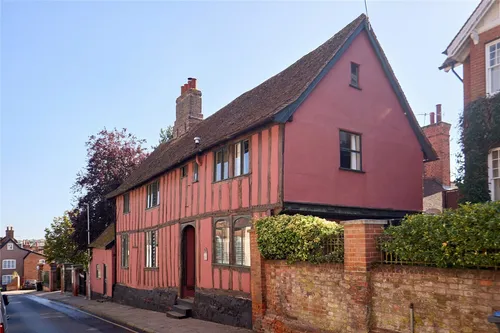
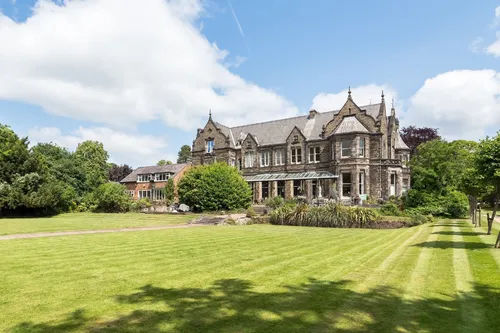
Is your home ready for the summers of the future (or this summer)?
It wasn't so long ago that British homes were designed with one priority in mind – keeping the warmth in. Thick walls, smaller windows, loft insulation and efficient central heating have served us well for decades, but as our summers become noticeably hotter, many homeowners are beginning to ask whether our homes are equipped for a changing climate.
While we're unlikely to need air conditioning on every corner just yet, the way we design, renovate and improve our homes is already starting to change. Architects, developers and homeowners alike are increasingly thinking about keeping homes comfortable throughout the year – not just during the colder months.
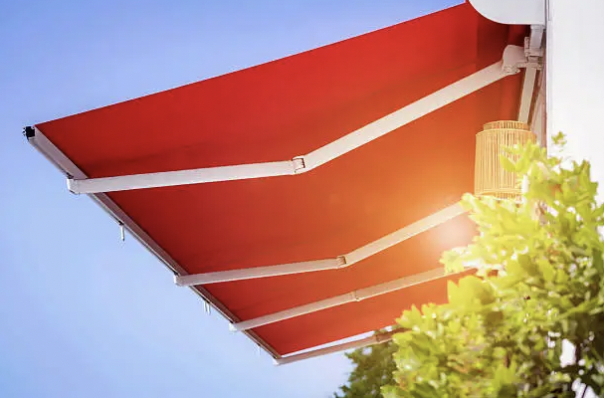 One of the biggest changes is the growing use of external shading. Unlike curtains or blinds, which only block sunlight after it has passed through the glass, features such as verandas, pergolas, awnings and external shutters prevent much of the heat entering the home in the first place. As well as helping to regulate indoor temperatures, these additions create attractive outdoor living spaces that can be enjoyed for much of the year.
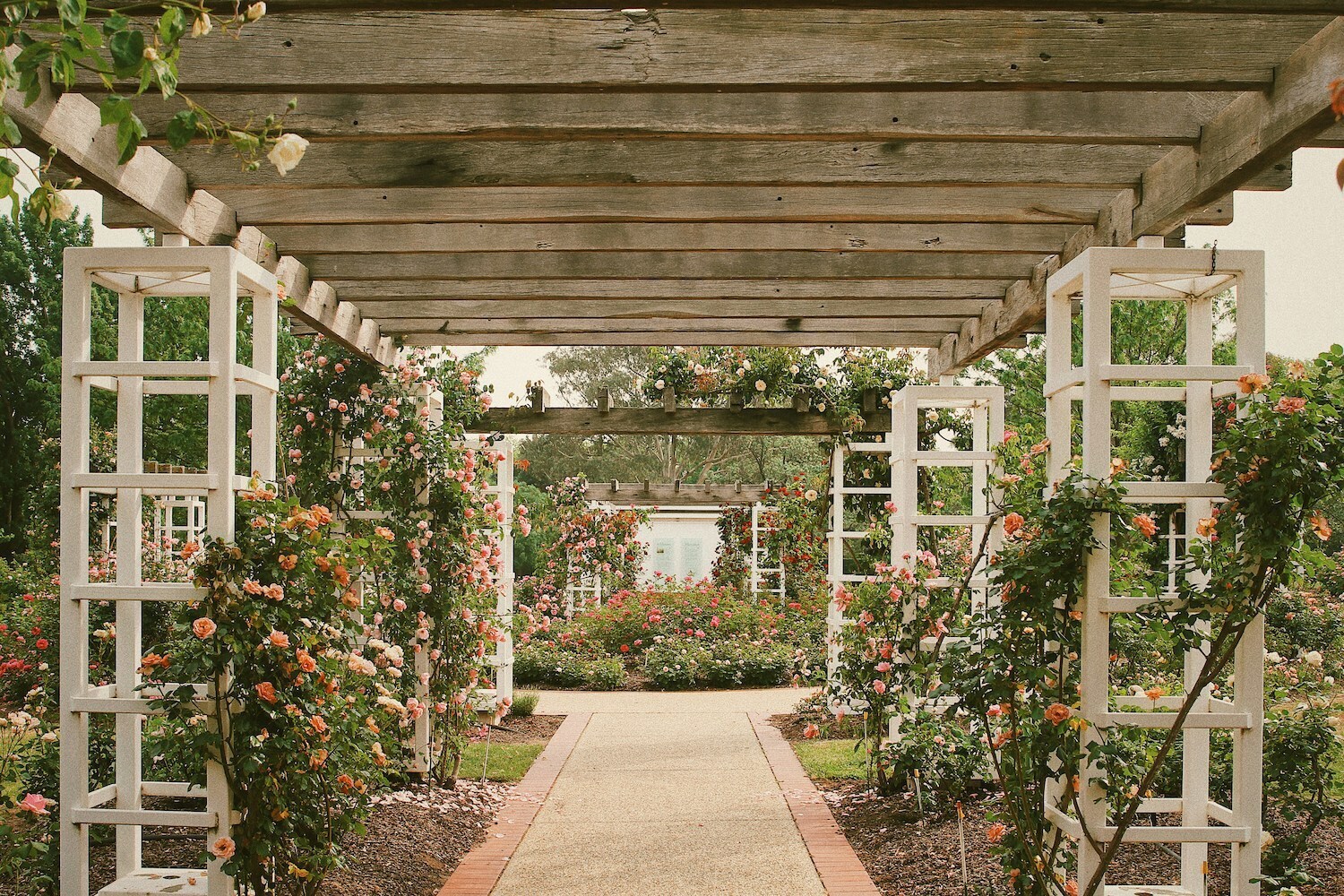
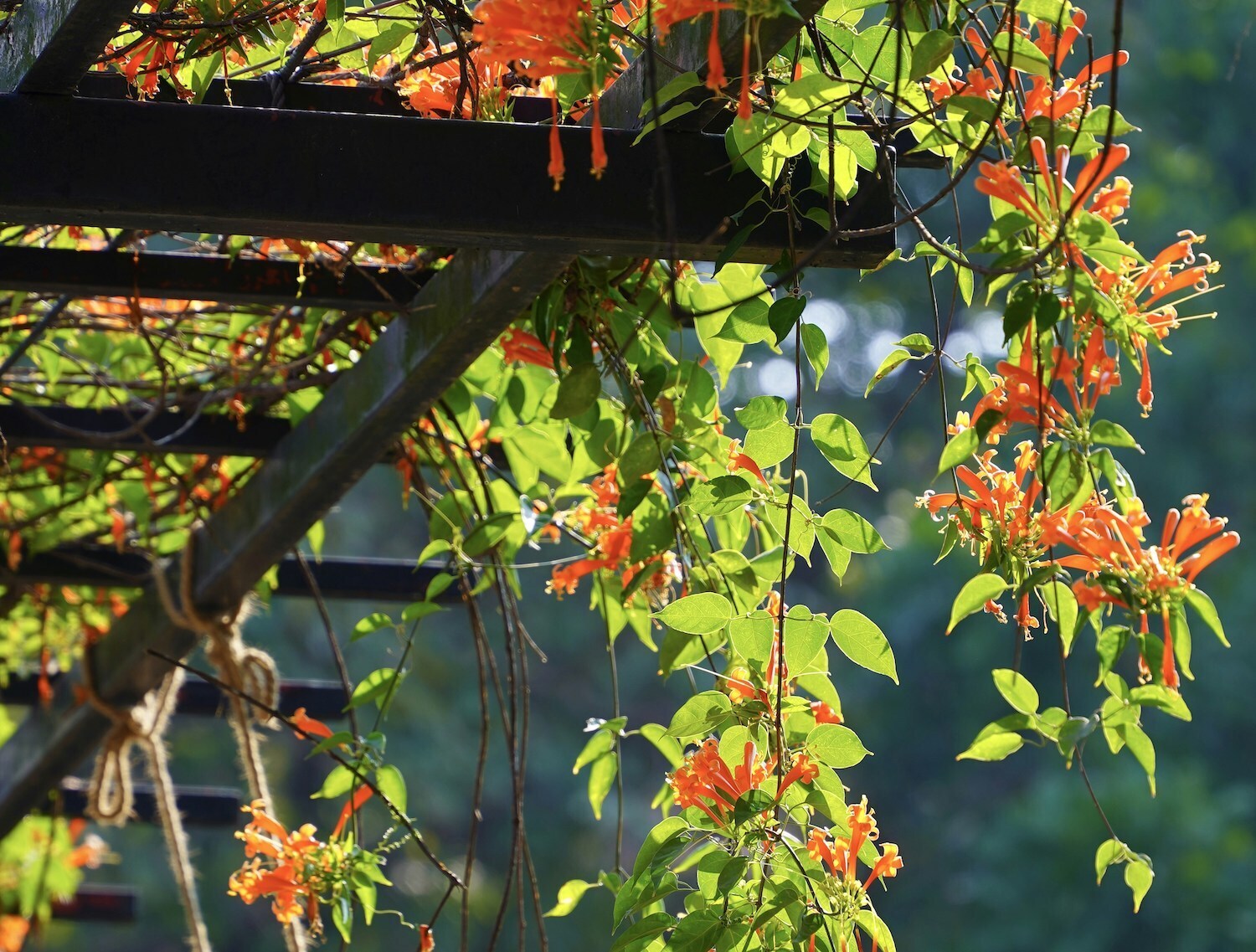 Landscaping is also taking on a new role. A mature tree has always added beauty and privacy, but it can also reduce surrounding temperatures by several degrees through natural shade and evaporation. More homeowners are incorporating trees, climbing plants, pergolas draped with wisteria or vines, and greener gardens rather than expanses of paving, creating outdoor spaces that are both cooler and more inviting.
Window technology has moved on considerably too. Modern glazing doesn't simply keep heat inside during winter; specialist solar-control glass can reduce unwanted heat entering the home while still allowing plenty of natural daylight. For older properties where replacing windows isn't appropriate, high-quality solar films are becoming an increasingly popular alternative, particularly for south-facing conservatories and garden rooms.
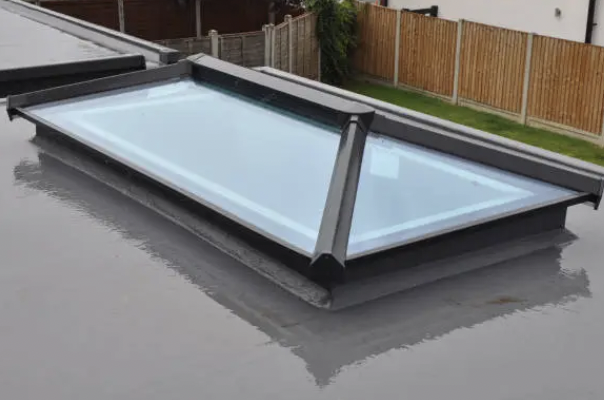 Many homeowners are also rediscovering the importance of ventilation by design. Roof lanterns with automated opening vents, higher ceilings, roof windows and carefully positioned openings that encourage natural airflow are becoming common features in extensions and new homes. Rather than relying on mechanical cooling, these design principles help homes stay comfortable naturally.
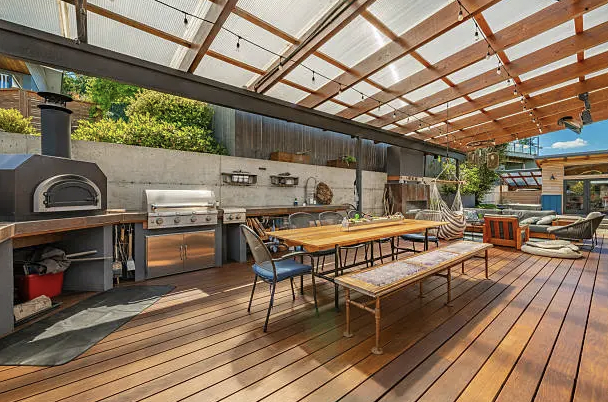 Another noticeable trend is the shift towards multi-functional outdoor spaces. Patios are giving way to covered terraces, outdoor kitchens, garden offices with good insulation and shaded seating areas that can be enjoyed even during the hottest days. Since the pandemic, gardens have become an extension of the home, and buyers increasingly expect them to offer more than just a lawn. Sustainability is influencing these decisions too. Green roofs, rainwater harvesting systems and permeable driveways not only help manage heavier rainfall, but can also reduce heat build-up around the home. Living walls and planted roofs, once considered unusual, are becoming more familiar on contemporary homes and extensions.
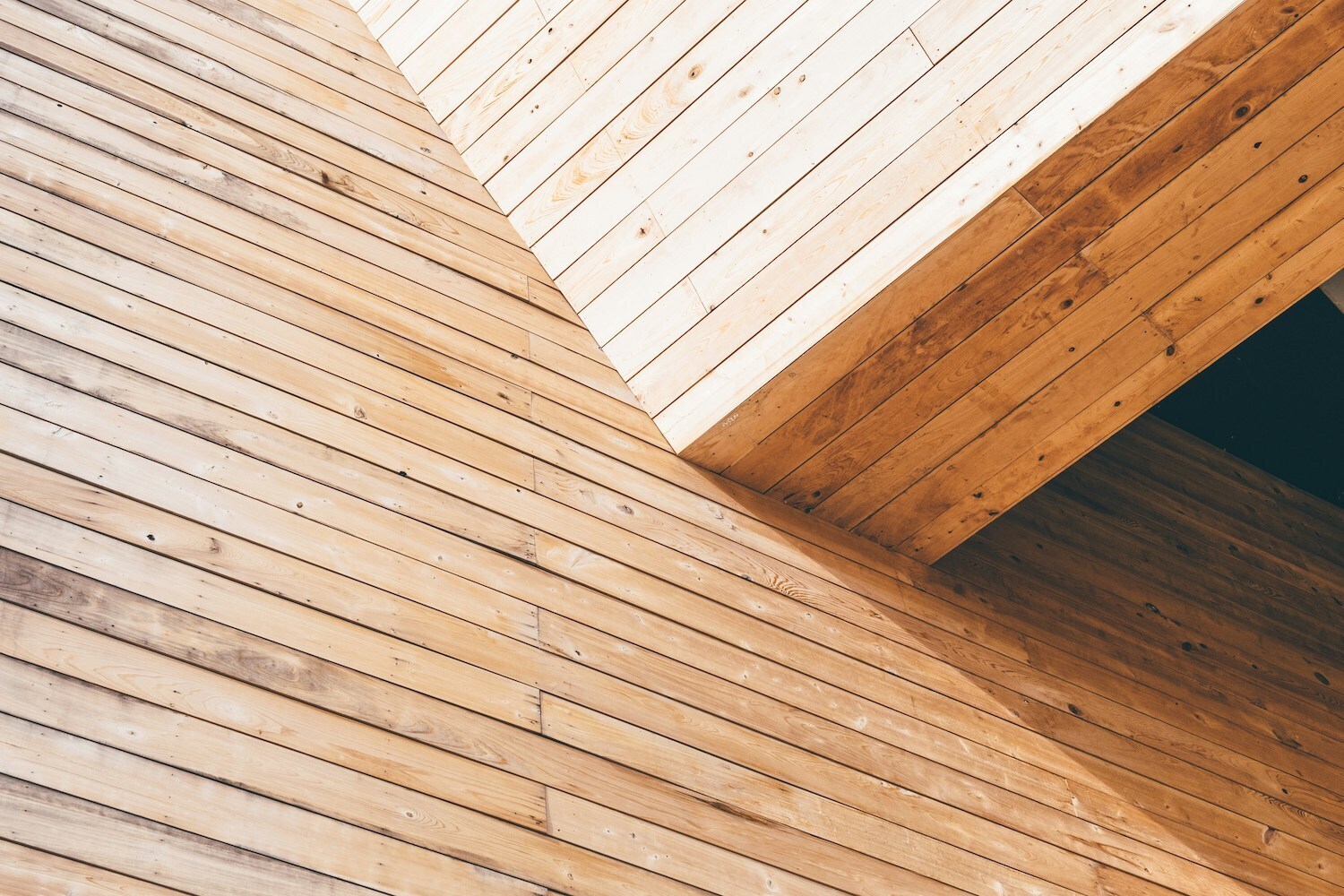 Even traditional building materials are being viewed differently. Lighter-coloured roofing materials absorb less heat than darker alternatives, while natural materials such as timber cladding can help regulate temperature more effectively than some synthetic products. During renovations, many homeowners are choosing materials that perform well throughout the seasons rather than focusing solely on winter efficiency.
 Of course, not every home needs a complete transformation. A period cottage in North Wales will require different solutions to a modern detached house in Cheshire, and every property has its own character. The best improvements are often those that work sympathetically with the style and age of the building while making it more comfortable and resilient for the future.
Many of these changes also make sound financial sense. A well-designed pergola or veranda might cost between £3,000 and £10,000, depending on size and specification, while quality retractable awnings typically range from £1,500 to £4,000. Solar-control glazing can add around 10–20% to the cost of replacement windows, but may significantly improve comfort in sunny rooms. Even tree planting can be viewed as a long-term investment, with mature landscaping often enhancing a property's kerb appeal as well as its enjoyment.
As buyer expectations continue to evolve, features that help homes cope with warmer weather are likely to become increasingly attractive. Just as double glazing and good insulation became standard over the past few decades, the homes that stand out tomorrow may well be those that have been thoughtfully adapted for the climate of the future.
After all, a home shouldn't just protect us from winter—it should be somewhere that's comfortable to live in, whatever the season.