Financing a Listed Building: a complete mortgage guide
 Listed buildings are among the finest homes in Britain but financing a listed building takes specialist knowledge that most high street lenders simply don't have. Whether you're buying a listed building in the UK for the first time, remortgaging one or searching for Cotswolds listed buildings for sale, the right advice from the outset can be the difference between a smooth purchase and a stalled one.
Below are the questions we're asked most often about listed building mortgages, and where the sticking points tend to be.
Why is financing a Listed Building different from a standard mortgage?
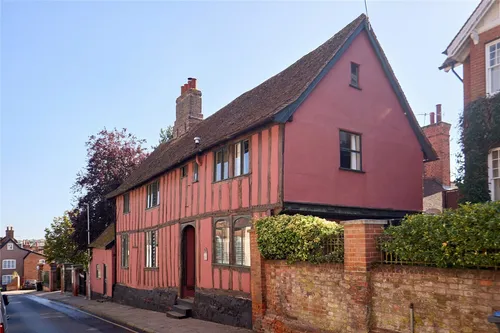
Listed properties often fall outside standard lending criteria. Timber frames, lime mortar, solid walls and thatch are all forms of unconventional construction that require a lender and valuer who understand heritage building methods.
This is where a mortgage for listed buildings in the UK differs most from a conventional application:
- Construction type: thatch, cob, timber frame and lime mortar all need specialist valuation experience.
- Condition and maintenance history: lenders want evidence the property has been properly cared for.
- Valuer expertise: a standard residential valuer may not be equipped to assess a period or listed property accurately.
Without that specialist knowledge in place, applications can take longer to progress or, in some cases, be declined outright. Knowing how to get a mortgage on a listed building starts with working with people who understand these details before you make an offer.
Does the grade of listing affect your mortgage?
Yes, significantly.
- Grade II listed building mortgages can often be arranged through mainstream lenders, subject to the property's construction, condition and the lender's individual criteria.
- Grade II* and Grade I listed building mortgages are more likely to require a specialist lender or private bank, and may also call for a larger deposit.
Understanding which category your property falls into, and which lenders are genuinely comfortable with it, is one of the first steps in financing a period or listed home.
How much can you borrow on a Listed Building?
Not always as much as you'd expect. Listed buildings can carry higher upkeep and cyclical maintenance costs, and lenders factor this into their affordability assessments which can reduce the amount you're able to borrow.
Speaking with a broker early helps set realistic expectations and can assist in securing the maximum borrowing available for your individual circumstances.
What if past alterations weren't properly consented?
This is one of the most common sticking points we see. Understanding Listed Building Consent matters as much as understanding the mortgage itself.
Where previous work lacks the correct consent, a sale or remortgage can take longer, as the paperwork needs checking carefully. Depending on the situation, this may call for indemnity insurance or retrospective consent, both of which need to be arranged before completion, not discovered during it. This is also where listed building insurance and finance need to be considered together, since standard buildings insurance rarely covers heritage-specific repair requirements.
Financing a period property in the Cotswolds
The Cotswolds is home to some of the country's most sought-after Cotswolds listed buildings for sale, honey-stone cottages, timber-framed farmhouses and Grade II and Grade I manor houses among them. But financing a period property in the Cotswolds brings the same specialist challenges as anywhere else, often magnified by rural locations, agricultural ties or listed outbuildings on the same title.
Cotswolds heritage homes mortgage advice covers:
- Matching local period and listed properties to lenders who understand rural and heritage risk.
- Coordinating valuations with surveyors experienced in Cotswolds stone, thatch and timber construction.
- Structuring finance for buyers and sellers moving within the local heritage property market. If you're buying, selling or remortgaging in the region, local knowledge combined with whole-of-market access makes a real difference.
How a whole-of-market mortgage broker can help
With whole-of-market access, we identify the lenders whose criteria are most closely aligned with your property and your circumstances, from mainstream names through to specialist lenders for listed property and private banks.
We bring the right professionals together from the outset, get the moving parts in order early and present each case in its strongest light. As a heritage property mortgage broker, we help identify potential issues before they become delays, giving your application the best possible chance of progressing smoothly.
Remortgaging a Listed Building
The same specialist considerations apply when remortgaging a listed building as they do when buying one: grade, construction, condition and consent history all matter to a lender reviewing your case. If your current deal is coming to an end, it's worth reviewing your options well in advance rather than waiting until the last minute.
Thinking about buying, selling or remortgaging a Listed Building?
Get in touch early to talk through your options, whether you're financing a listed building for the first time, exploring Cotswolds listed buildings for sale or reviewing a remortgage.
Greg Simkins, Senior Mortgage Consultant
With over 17 years' experience in the mortgage and financial services industry, Greg advises clients across a wide range of residential and specialist lending needs. He has particular experience supporting clients with more complex circumstances, including those with non-standard income, or wider financial and property considerations that require a tailored approach.
To discuss your mortgage requirements, you can book a time with Greg here or contact him using the details below. Tel: 01743 291 928 Email: [email protected]
Private Finance
Private Finance is a national independent mortgage broker operating for over 25 years. With access to over 300 lenders, including high street banks, building societies, specialist lenders and private banks, we compare a wide range of mortgage options to identify the most suitable solution for each client's individual circumstances. Clients benefit from specialist knowledge, tailored to their situation, their property and their long-term goals.
YOUR HOME MAY BE REPOSSESSED IF YOU DO NOT KEEP UP REPAYMENTS ON YOUR MORTGAGE.