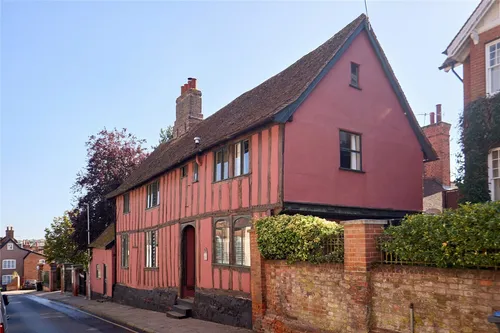
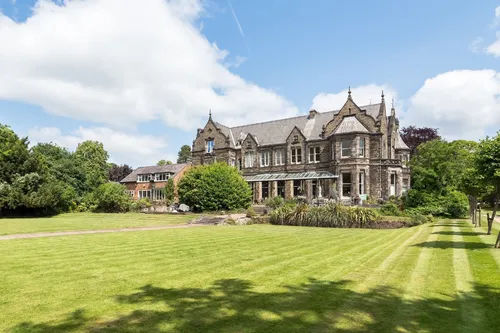
Buying a Listed property in our region can be a dream come true for those who love history and architecture. Listed buildings represent a piece of our country’s heritage, but they also come with responsibilities that potential buyers should understand.
What Is a Listed Property?
A Listed property is a building or structure that has been deemed of special architectural or historical interest by Historic England or Cadw in Wales. These properties are legally protected, meaning that significant alterations or demolitions are tightly controlled to preserve their character. There are three categories of listing:
- Grade I - Buildings of exceptional interest (about 2.5% of listed properties)
- Grade II - Buildings of national importance and special interest (about 92%)
- Grade II* - Particularly important buildings of more than special interest (about 5.5%)
 Advantages of Owning a Listed Property
1. Owning a Piece of History - Listed buildings often boast unique architectural details and represent an important part of British history.
2. Prestige and Character - These homes are often located in desirable areas and have distinctive charm, including period features like exposed beams, stone walls, or stained-glass windows.
3. Financial Incentives - Depending on where you live, there may be grants or tax relief available for the repair and conservation of listed buildings. Additionally, some listed properties may be exempt from VAT for specific types of work.
Things to consider -
1. Restrictions on Alterations - Any work that affects the character of the property, especially changes to the exterior “look” of the property, along with interior changes that may compromise the integrity or character of the property, will require Listed Building Consent. This also applies to gardens and other structures within the curtilage of the property. That said, Conservation Officers have to balance the need to preserve these buildings with the wishes of their owners, who want to live with modern day conveniences, and without providing scope for modernisation these buildings will fall into disrepair going against their aim to protect these buildings. For this reason it is usually possible to work with your local Conservation Officer to find a way through that satisfies all parties.
2. Maintenance Costs - Listed buildings often require specialist materials and skills to maintain, which can make upkeep more expensive than with modern homes, but if you buy into these special properties, you want to maintain correctly, so whilst a consideration, you would not want to do anything to compromise your home.
3. Insurance - Insuring a listed property may require specialist insurance – this is not necessarily more expensive, but it would need to cover historically appropriate materials and methods.
4. Survey and Professional Advice - A standard home survey may not provide a thorough enough understanding of the structural integrity or conservation needs of a Listed property. Investing in a specialist surveyor experienced with Listed buildings, alongside your usual survey, can help you avoid unforeseen issues, especially regarding damp, structural integrity as well as giving you an understanding of how the building is constructed and will need to be maintained.
5. Planning Permission and Building Regulations - even with Listed Building Consent, you may also need separate planning permission for changes. Listed buildings don’t always comply with modern building regulations, and exemptions can be made for features like low ceilings or ancient staircases.
 Steps to Take Before Purchasing a Listed Property
1. Check the Listing Status – This should appear in the estate agents’ details, but to be certain you can check through the National Heritage List for England or the equivalent in Wales.
2. Understand Legal Responsibilities - Ensure that your solicitor is experienced with Listed properties and can clarify any legal obligations related to maintenance, conservation, and renovations.
3. Consult Local Authorities and Historic England - Local planning authorities and Historic England can provide guidance on what changes are permissible and help you understand the level of protection associated with the property.
4. Speak to Experts – If you are considering making changes to a Listed home, consult architects, surveyors, and builders experienced in Listed buildings. Their expertise will be invaluable in ensuring that any work complies with legal requirements and maintains the character of the building.
Final Thoughts
While buying a listed property in the UK requires more due diligence, it can be incredibly rewarding. Listed homes provide character, history, individuality and prestige that modern properties just can’t offer. However, understanding the legal responsibilities and potential costs is essential for anyone looking to own a piece of Britain’s architectural heritage. With the right guidance and careful planning, you can preserve a historic property for future generations to enjoy.