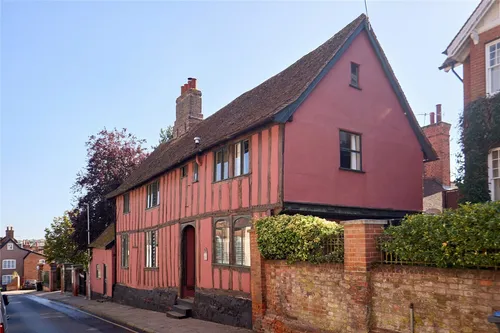
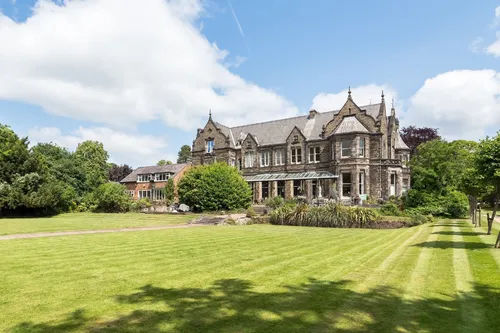
Conveyancing a Listed Building: a complete guide for Cotswolds buyers and sellers
 Buying or selling a listed building brings a layer of legal complexity that standard residential conveyancing doesn't involve. From understanding the different grades of listing to navigating listed building consent, working with an experienced listed building conveyancing solicitor makes the difference between a smooth sale and a stressful one. This guide explains everything Cotswolds buyers and sellers need to know about conveyancing a listed building, from grading and legal restrictions through to indemnity insurance and realistic timescales.
What are the different grades of Listed Buildings?
- Grade I: buildings of exceptional interest, making up only around 2% of all listed buildings.
- Grade II*: buildings of more than special interest, accounting for a further 4%.
- Grade II: buildings of special interest, which make up the vast majority of listed properties in England.
The Grade I vs Grade II listed building distinction matters because it affects the scope of protection, the complexity of any consent applications and how strictly alterations are controlled. If an owner wants their property considered for listing, they must apply to the Secretary of State for Culture, Media and Sport.
What are the legal restrictions on a Listed Building?
Listed building legal restrictions are set out in planning legislation, which prevents anyone from carrying out demolition, alteration or extension work that would affect the special architectural or historic character of a listed building, unless that work has been properly authorised. In practice, this means almost any structural change, and many cosmetic ones, may need formal sign-off before work begins.
What happens if works are carried out without Listed Building consent?
Works without listed building consent are a common issue that surfaces during conveyancing, often because a previous owner altered the property without realising consent was required. Where this happens, the local authority can serve a Listed Building Consent enforcement notice, setting out the steps needed to put things right. This usually means reinstating the building to its original condition, whether that's replacing a removed feature or rebuilding something that was demolished.
Where does this come up in the conveyancing process?
A local authority search for a listed building will reveal the listing itself, along with any enforcement notices attached to the property. These searches are typically ordered near the start of the sale process, but results can take several weeks to come back, so it's worth building this into your expectations from the outset.
How long does conveyancing take on a listed building?
Because of the additional searches, enquiries and, in some cases, indemnity insurance arrangements involved, conveyancing a listed building generally takes longer than a standard residential transaction. Instructing a listed building conveyancing solicitor early, and having your paperwork ready, is the best way to keep the process moving and protect your completion date.
Tips for selling a Listed Building
If you're preparing to sell, these selling a listed building tips will help you get ahead of buyer enquiries:
- Gather every listed building consent obtained during your ownership, and any previous ownership, ready for your buyer's solicitor to review.
- If you don't hold consent for past works, don't approach the local authority directly first as doing so can invalidate any existing indemnity insurance policy.Speak to a listed building solicitor early so any gaps can be addressed before they hold up a sale.
Tips for buying a Listed Building
A thorough listed building survey before purchase is essential. A specialist survey can identify work that might not show up in standard enquiries or searches, giving you a clear picture before you commit.
If a breach of listed building consent comes to light, remedying it can be costly, so it's important to take specialist advice on the works in question before proceeding. In many cases, all is not lost: where the property is safe and the work is in keeping with the building, listed building indemnity insurance can be arranged to protect against future enforcement action, allowing the purchase to proceed with confidence.
Why work with Cotswolds conveyancing specialists?
Choosing the right listed building solicitor in the Cotswolds matters as much as the property itself. As residential conveyancing specialists based in the Cotswolds for over a decade, Thomas Legal (TL) has built a reputation for handling complex, high-value transactions with the specialist knowledge listed buildings demand. TL has since expanded its award-winning service into the London and Bristol markets and now completes more top-tier purchases than any other firm in the UK, underpinned by a consistently high standard of service.
Whether you're buying a listed property in the Cotswolds or selling one, working with a Cotswolds conveyancing solicitor who understands local planning authorities, conservation officers and the local property market gives you a genuine advantage.
Final thoughts
Listed buildings are beautiful and historically significant, and conveyancing a listed building reflects that: the legal process is more involved and typically slower than buying or selling a standard property. That shouldn't put you off. With the right professional team around you, buying or selling a listed building can proceed smoothly and give you the best chance of reaching completion on time. Ready to Buy or Sell a Listed Building?
If you're thinking of buying or selling a listed property this year, get in touch with our Cotswolds conveyancing solicitors today.
Phone: 0333 003 0689
Email: [email protected]
Website: thomaslegal.co.uk