COUNTRY MARKET COMMENT Strengthening fundamentals
Surge in buyers as affordability slowly improves.
 In the first quarter of the year, we said in this publication that, irrespective of short-term fluctuations, market conditions were such that underlying capital values would continue to grow. This has proved to be the case. At the time of writing, and despite concerns about the potential impact of tax changes, those fundamentals look even stronger.
This point is underlined by our monthly in-house statistics, all of which, year-on-year, are again in positive territory (see graph), most remarkably so in relation to demand which, as measured by new applicants, is up 31%. This is unusual and a little counter-intuitive: what prompts an increase in buyers and sellers? The answer appears to be: confidence in the stability of interest rates, in the economy and in values.
Few are expecting impressive economic growth or a return to sub - 3% mortgages. Even so, confidence in stability and asset values is such that, at the time of writing, Sterling has only come off a two-year high against the US dollar on expectations of faster interest rate cuts, vindicating the launch by lender Nationwide, of a 95%, six-times salary mortgage, with interest fixed for at least five years at below 5%. This is a big bet on interest rates getting lower, house prices higher and stable employment. Given the overall shortage of supply, stability alone has proved sufficient to generate a broad and welcome surge in activity, across the country house market as a whole.
PRICING, SELECTION AND LEGAL OBSTACLES
Though the big picture is po sitive, the detail is often more challenging. Faced, in most regions, with a better choice, buyers are quick to query prices yet even quicker to reject properties which need significant work. Misleading ‘armchair valuations’ via Zoopla etc, don’t help, as Mark Astley, director at Chichester explains: “Online services estimate value based on past prices and subsequent inflation. Value-adding improvements such as extensions and renovations are not factored in, nor is the unique nature of a typical country house. Part of our job is to make sure buyers can fully appreciate what is on offer.”
Mark also feels strongly that buyers often don’t even see properties they might love, because of the strict nature of online filtering: “Country houses often have idiosyncratic spaces and features that don’t fit the filters, which also say nothing about the neighbourhood. Applicants who give us some detail about their hopes and lifestyles make it much easier for us to identify potentially ideal houses which might otherwise slip through the net of automated filtering.”
RENTAL REFORM: DON’T HOLD YOUR BREATH
 There is so much detail to sort out within the proposed rental reform legislation, revised and expanded by the Labour government, that its impact when in place is beyond helpful speculation here. As anticipated, the government has already played down pre-election statements about banning so-called ‘no fault’ Section 21 evictions “immediately”, saying now that it hopes to have such a ban in place “by next summer”. We suspect that is optimistic. In the meantime, we have no doubt that, even though the proposed reform contains little that we expect to significantly affect our landlord clients, rising concern about potential legislation and taxation is behind a continued reduction in properties coming to the market and further losses to the holiday market mentioned on page 3. This is exacerbating the painful shortage of homes to let and consequent increase in rents, of which tenants are only too aware.
HISTORIC APPEAL
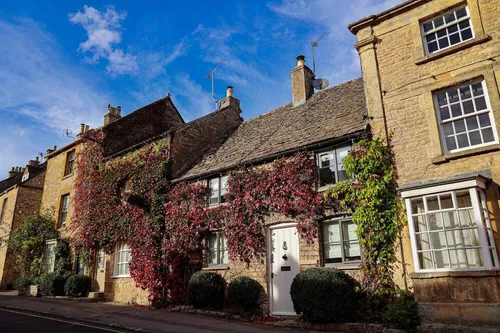
 It is a little early to be citing this as a clear trend but, after many years of buyer caution or outright rejection of country houses with more obvious architecturally significant, historic appeal, the tide might be turning. At the top end in particular, the sheer physical ‘rootedness’ and charm of a locally important, architecturally resplendent house with a big history, contrasts so strongly with the glass, marble and steel of modern ‘Grand Designs’ type houses as to provide a welcome change and relief. For those seeking a larger, more rural base for both work and family (‘WFH’ rearing its head yet again) the attraction is notably strong. Almost all such houses are Grade II Listed, but more buyers appear ready to accept this and, indeed, embrace the spirit of conservation which listing codifies. This suggests a confidence in the future and even a desire to contribute to it, by preserving aspects of the past. Either way, historic houses are the heart of this country’s rural heritage. To see them become highly fashionable once more, would be of great cultural benefit.