Surveying a Listed Building: what buyers need to know in the Cotswolds
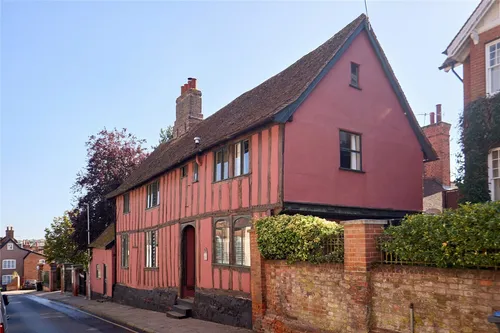
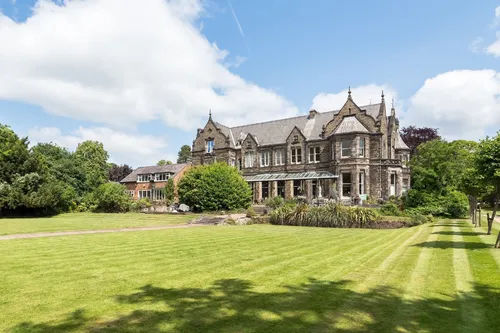
 Having worked as a chartered surveyor for more years than I care to count, I've inspected a great many listed buildings across Gloucestershire and the wider Cotswolds. I never tire of the character, craftsmanship and individuality these properties offer, whether they're elegant town houses, country homes or village cottages built from local stone.
But buying a listed building calls for a slightly different mindset than buying a standard modern home. A thorough listed building survey does more than flag defects, it helps you understand the ongoing responsibilities that come with becoming the custodian of a piece of history. Here's what I always talk through with clients before they commit to buying a period property in the Cotswolds.
What to consider when buying a Listed Building
Before you fall in love with the beams, the inglenook fireplace or the honey-coloured stone frontage, it's worth pausing to think about:
- Condition and construction: listed buildings are often built using solid walls, traditional timber frames or lime-based materials that behave very differently to modern construction.
- Maintenance obligations: as a listed building owner, you're responsible for keeping the property in good repair, often to a higher standard than an unlisted home.
- Consent requirements: certain alterations, even minor ones, may require Listed Building Consent before work begins.
- Local expertise: a surveyor who understands traditional building materials in your area will spot issues a generalist might miss.
RICS Level 2 vs Level 3: why a building survey matters for Listed property
For most listed buildings, I recommend a RICS Home Survey Level 3, often called a full Building Survey.
A RICS Level 2 survey (Home Survey Level 2) is designed for conventional properties in reasonable condition and gives a more general overview. A Level 3 survey, by contrast, provides much greater scope to examine construction, defects, repairs and ongoing maintenance needs, exactly the detail an older, often-unique property demands.
Given the complexity of historic construction, a Level 3 building survey for listed property is, in my experience, rarely money wasted. It gives buyers a clear picture of what they're taking on, and the leverage to negotiate or plan repair works with confidence.
Traditional building materials: lime mortar and lime plaster
Many listed buildings were constructed using traditional materials and methods that differ significantly from modern homes, and understanding these is essential.
Across the Cotswolds, many local stone buildings were built with lime mortar and finished internally with lime plaster. These traditional building materials allow the structure to breathe, accommodate minor movement and manage moisture naturally, qualities that hard, modern materials simply don't replicate.
This is exactly why using a chartered surveyor with genuine local knowledge matters. Someone unfamiliar with lime-based construction may misread perfectly normal characteristics as defects, or miss early signs of a genuine problem.
Damp issues in old stone buildings and breathable paint finishes
Damp is one of the most common, and most misunderstood, concerns in older stone buildings. The use of inappropriate modern materials, such as hard cement mortars or non-breathable finishes, can accelerate the deterioration of stonework and contribute to damp-related issues.
Breathable paint finishes are just as important as breathable mortars and plasters. Modern impermeable coatings can trap moisture within the structure rather than allowing it to evaporate naturally, which over time can lead to more serious problems than the damp they were meant to prevent.
A good, listed building survey will identify where inappropriate materials have already been used, and what that means for future maintenance.
Listed Building consent explained
A common misconception is that listed status prevents any change to a property. In reality, being listed doesn't stop a building from being altered, improved or adapted, but certain works, including some repairs and relatively minor changes, may require Listed Building Consent.
Understanding these requirements before you commit to a purchase is genuinely valuable. Taking the time to establish what consent may be needed, and factoring that into your plans and budget, can help you avoid unexpected delays, costs or difficulties further down the line.
The responsibilities of owning a historic property
Owning a listed building can be hugely rewarding, but it's important to go into the process with your eyes open. Along with the character and history comes a duty of care: to maintain the property appropriately, to seek consent where needed and to use materials and methods sympathetic to its original construction.
In my experience, buyers who understand these responsibilities from the outset tend to enjoy their historic homes far more, precisely because there are fewer surprises along the way.
Why work with a local chartered surveyor in the Cotswolds?
Every region has its own vernacular building traditions, and the Cotswolds is no exception. A chartered surveyor based in Cheltenham or the surrounding Cotswolds will have inspected dozens of similar stone-built, lime-mortared properties and will know what's typical for the area versus what warrants closer investigation.
That local knowledge, combined with a properly scoped RICS Level 3 survey, gives buyers the reassurance they need to proceed with confidence.
Get expert advice before you buy
Obtaining the right survey and professional advice at the outset provides valuable reassurance, and helps buyers fully appreciate both the beauty and the responsibilities that come with owning a historic property.
If you're considering buying a listed building in Cheltenham or the wider Cotswolds, I'd be glad to talk through what a RICS Level 3 survey would involve for your property.
Giles Cooper MRICS is Senior Director at Certus Property Consultants, based in Cheltenham.
With over 30 years' experience working in and around the Cotswolds, he provides residential valuation and survey advice across a wide range of property types.
Phone: 07856 282686
Email: [email protected]
Website: certus-property.co.uk