Listed Buildings in Cheltenham and the Cotswolds: character, curiosity and the right advice
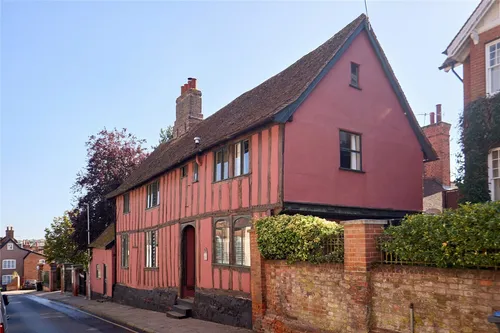
 Listed buildings are some of the most rewarding homes to sell and some of the most misunderstood to buy. Anyone searching for listed buildings in Cheltenham and the Cotswolds is usually looking for more than square footage. They want history, individuality and a collection of features that would give a modern architect a nervous twitch.
The appeal of character homes in the Cotswolds
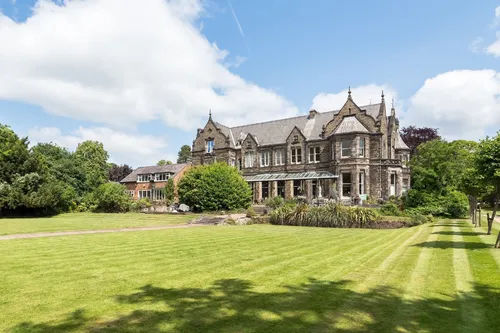
That character is usually exactly what attracts buyers to character homes in the Cotswolds. A Georgian townhouse in Cheltenham, a Cotswold stone cottage for sale in a quiet village or a former farmhouse on the edge of town all offer proportions, craftsmanship and a sense of place that simply cannot be replicated.
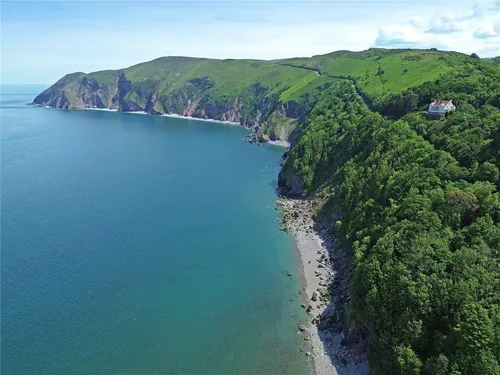
The setting matters just as much as the building. In Cheltenham, that might mean the architecture of the street, a garden square or how close the house sits to the town centre. In the Cotswolds, it's often the approach up the lane, the outlook over open fields or the relationship between the house and its grounds.
Marketing Listed properties the right way
Marketing listed properties properly is about far more than noting that a building is listed. It's about telling the story of the house and paying attention to the small details that reveal it.
Original fireplaces, sash windows, exposed beams, stonework, panelling and period staircases are exactly the sort of period features in listed buildings that help buyers understand what makes a property special. Good photography should capture those details, but it also needs to show how the house actually works as a home. Buyers still want to know whether the kitchen is practical, where the light falls and whether the drawing room can accommodate more than two chairs and an optimistic side table.
Pricing a Listed Building
Pricing a listed building takes a little more judgement than pricing a standard new-build. These properties are rarely easy to compare directly. Two houses of similar age and size can differ considerably in condition, layout, quality of restoration and the amount of original fabric they retain. Price per square foot is a useful starting point, but it is not a magic wand. Buying a Period Property in the UK: What to Know Before You Commit
Of course, once a buyer has fallen for the stone mullions and slightly uneven floors, a number of sensible questions tend to follow. Anyone weighing up how to buy a listed building, or wondering what to know before buying a listed house, will usually need answers on four things: finance, insurance, survey and conveyancing.
Financing a Listed Building
Not every lender treats older or listed properties the same way as a standard home, so specialist listed building mortgage advice can make the difference between a smooth purchase and a stalled one.
Insuring a period property
Listed building insurance needs to reflect the true cost of like-for-like repair using appropriate materials and methods. Insuring a period property on a standard policy can leave owners badly underinsured.
Conveyancing for Listed Buildings
Listed building conveyancing brings its own considerations, from Listed Building Consent history to restrictions on alterations, so it pays to work with a solicitor who understands the process inside out.
Traditional construction and surveying
A traditional construction survey looks at how the building breathes and moves in ways a standard survey doesn't always capture and is essential when you need a proper survey for old and listed houses before you commit. These are important questions, but they are not questions for an estate agent to answer after a quick internet search.
Ask the experts: Cheltenham property
For this edition of Ask the Experts, Cheltenham property, we've brought together specialist advice on buying old houses from four trusted names: Greg Simkins of Private Finance considers financing a listed building; George Seatter of Howden looks at insurance; Chris Barry of Thomas Legal explains the conveyancing considerations and Giles Cooper of Certus examines traditional construction and surveying.
Our job is to understand the property, tell its story properly, find the right audience and manage the sale carefully. We'll leave the genuinely complicated bits, and the specialist advice on period property, to them.
Listed Building FAQ
Do I need a specialist survey for a listed building?
Yes. A standard homebuyer's survey isn't designed for older construction methods. A traditional construction survey is the better option for any old or listed house.
Can I get a mortgage on a listed building?
Most mainstream lenders will consider listed buildings, but terms vary. Independent listed building mortgage advice helps you find a lender comfortable with the property's age and construction.
Is listed building insurance different from standard home insurance?
Yes. It needs to cover reinstatement using traditional materials and methods, which usually costs more than a standard rebuild.
Does conveyancing take longer for listed buildings?
It can. Checks on Listed Building Consent history and any past alterations add an extra layer, so a solicitor experienced in listed building conveyancing is well worth having.
What's the first step in selling a listed building?
Start with an agent who understands the property's history and character, not just its floor area: that's what genuinely moves a sale forward.
Talk to Jackson-Stops about Yyur Listed Building
Whether you're selling a Georgian townhouse in Cheltenham or searching for Cotswolds period homes for sale, Jackson-Stops Cheltenham listed buildings specialists are here to help, with the local knowledge, the right buyers and the right experts on hand when you need them.