Country Market Comment
Our stock of houses fresh to the market, is up 26% year-on-year. Counter-intuitively perhaps, our number of newly-registered buyers has risen, almost as much. From an economic, ‘supply vs. demand’ perspective, this feels odd: how can supply, fuel demand? It does so, because most of our would-be house buyers don’t have to move. When supply is exceptionally tight, they stop looking, vowing to return at a time when there is more choice and a better chance of getting the house they want. Having a greater choice, that time is now.
 It helps, of course, that interest rates are continuing their slow fall, though economists would point out that this welcome news has come, in part, because the national picture is so uninspiring (not for nothing is it called the dismal science). More positively, they might also point to above-inflation wage growth, since mid-2023. This is helping to strengthen lower end, owner-occupier demand. The essential role of that demand in underpinning the market as a whole has been reasserting itself, because of fewer sales to buy-to-let landlords, holiday home operators and, with exceptions, overseas buyers.
 Less competition and improved salaries are giving young people keen to leave the rental sector a better chance, hence the Halifax report of a 20% increase in mortgages granted to first time buyers. This also goes some way towards explaining the widespread peaking of rents, despite a problematic shortage of supply: renters, are buying. Increases in Stamp Duty Land Tax from April 2025 will hurt but, with first time buyers of a £350,000 home paying an extra £2,500, hopefully not that much.
 Conventional economics might also suggest that public interest in price growth variations between different regions, exists because it Influences where people choose to live. In practice, amongst the lifestyle, work and family considerations which jostle for priority before any of us draw a circle on the map when looking to move, ‘expected ROI’ doesn’t get a look-in. Our interest is territorial: we all want to know how where we live, compares with everywhere else. Even then, the lesson of such comparisons is that things tend to even out over time. For example, looking just at detached houses in the decade to 2005, Cornwall saw far more capital growth than most (14% pa against 11% pa for England as a whole), only to then see almost no growth in the following decade and, in the ten years to 2025, an exactly average 4% pa. Looking more broadly at
  price growth over those three decades (see table), perhaps more striking is how much of it was in the first one. Since then – or, more probably, since 2008 – values have essentially matched inflation. Here, our economists would stress that this is as it should be: real assets maintain their value. The bonus with a house, is that you get to live in it, too.
 Expectations of ‘inflation but no more’ capital growth remain highly relevant today, especially to younger buyers who, throughout their working lives, have known little but ultra-low interest rates (which were below 3% for nearly 13 years, until late 2022). Armed with good market data, fixed borrowing limits and more choice they, like the cash-rich but income-fixed older buyers prevalent beyond the commuter belts, will only pay a premium, when it is clearly worth it. To command that, you, as a seller, need to show a prepared path to the ownership of your house, as free of obstacles as possible.
 Country houses can be complicated. Owners know this, but it’s rarely front-of mind until they decide to move. Only then do some recall that, for example, their home is one of the 14% not registered with the Land Registry, or that there are problems relating to say, rights of way, or Listed Building works. Fear of such issues coming to light only after a sale has been agreed, is common amongst buyers, as is a desire for information about running costs (buildings insurance has been a hot topic of late).Thus when we can show a potential buyer, both a schedule of costs and that all legal and technical aspects are in order, it creates not just relief, but excitement. It creates such certainty about the steps ahead that buyers feel ownership and the new life they seek, are genuinely within reach. So they bid more, more confidently. Which, in fairness to economists, is entirely consistent with their theories about risk and the value of certainty.
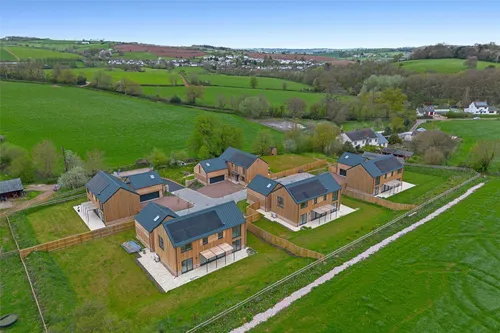
Lead image, on the market with Jackson-Stops Ipswich