The continuing appeal of the BBC's Antiques Roadshow underlines that collection has always been part of human nature, but what people choose to collect, and why, is continually evolving. While antiques, paintings, rare books and classic cars remain popular pursuits, today's collectors are also interested in vintage watches, vinyl records, contemporary art, sporting memorabilia and even trainers.
 For some, collecting is driven by nostalgia or a lifelong interest; for others, it is the pleasure of discovering something unusual or owning a piece of history. Increasingly, however, there is another motivation: the possibility that a carefully chosen collection might also prove to be a worthwhile investment.
When the ordinary becomes extraordinary
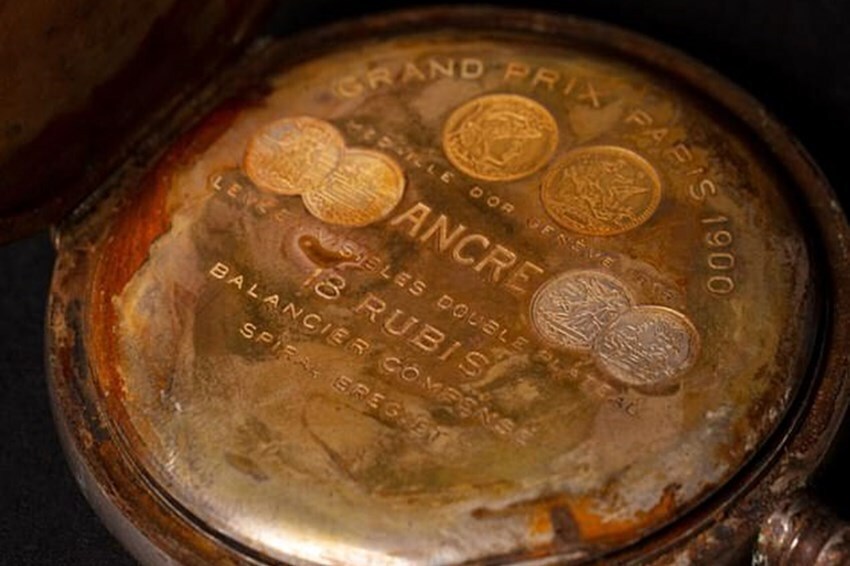
One of the fascinating aspects of collecting is that value is not always related to the intrinsic worth of an object. Rarity, condition, provenance and a compelling story can transform something relatively commonplace into a highly sought-after possession. A remarkable example is an 18-carat gold pocket watch belonging to Isidor Straus, a first-class passenger who died when the Titanic sank in 1912. Recovered from his body and returned to his family, it remained in their possession until November 2025, when it sold at Henry Aldridge & Son auctioneers for an extraordinary £1.78 million. Its value lay not simply in the gold or craftsmanship, but in its extraordinary history and personal significance.
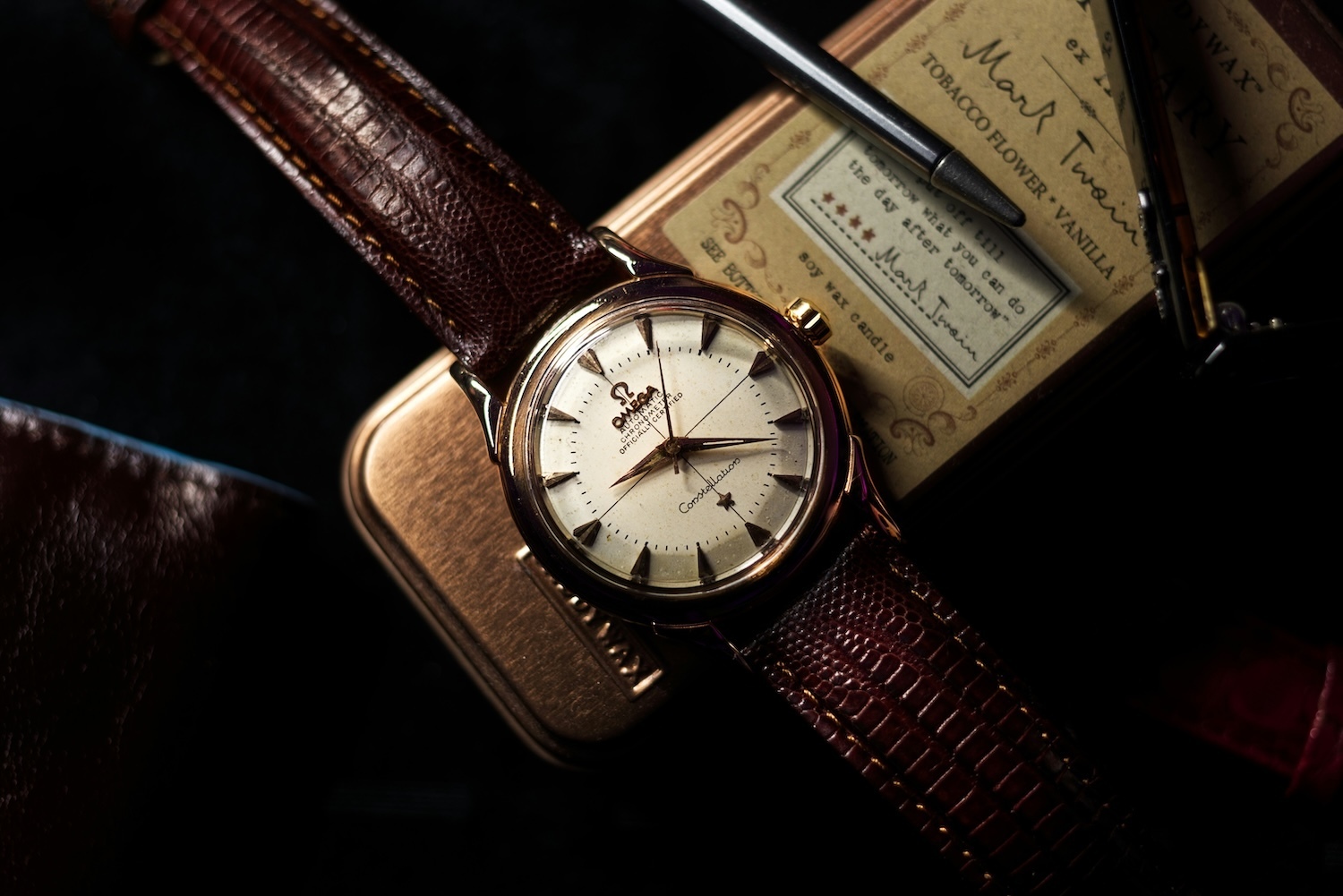
 Watches can command impressive prices for different reasons, too. In 2021, a rare 1967 Omega Speedmaster sold at Tennants Auctioneers for £85,000, having remained in the same family since being purchased from a Liverpool jeweller in 1970. Its original paperwork and particularly unusual dial variation helped make it highly desirable.
Image right courtesy of Henry Aldridge & Son Ltd
Even something as seemingly mundane as a car registration can become a valuable collectable. The personalised number plate '25 O' achieved a hammer price of £400,000 at a DVLA auction in 2014. Its appeal lies in its simplicity and scarcity, demonstrating that collectables need not necessarily be physical objects.
A taste for collecting: wine and whisky
Fine wine and spirits have long attracted collectors, with Bordeaux, Burgundy and vintage Port particularly popular.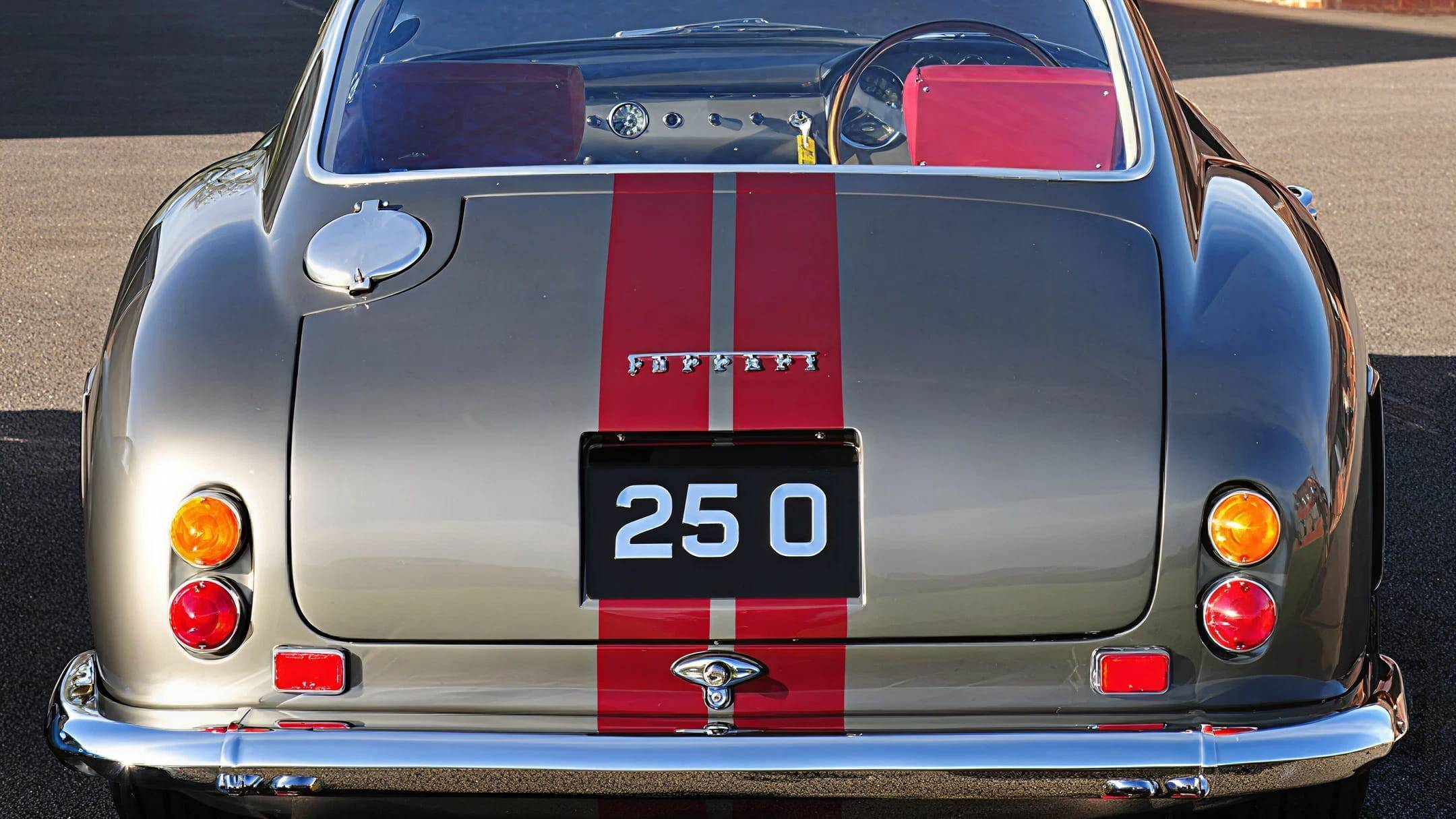 Whisky has also become a serious collecting category, with rare single malts, discontinued distillery releases and limited editions achieving remarkable prices.
Right image courtesy of car.co.uk
Perhaps the most extraordinary example is a bottle of The Macallan 1926 60-Year-Old, which sold at Sotheby's in London in 2023 for £2,187,500, including buyer's premium. Only 40 bottles were produced, following six decades of maturation in a single sherry cask. It remains the auction record for a single bottle of whisky.
Fine wine collecting requires rather different considerations. Vintage, producer, provenance and storage conditions are crucial. A case of Bordeaux kept in a temperature-controlled cellar since release is a very different proposition from one with an uncertain history. Unlike whisky, which generally stops maturing once bottled, wine continues to evolve, making careful storage particularly important.
Right image courtest of Sotherby's
Collecting as an investment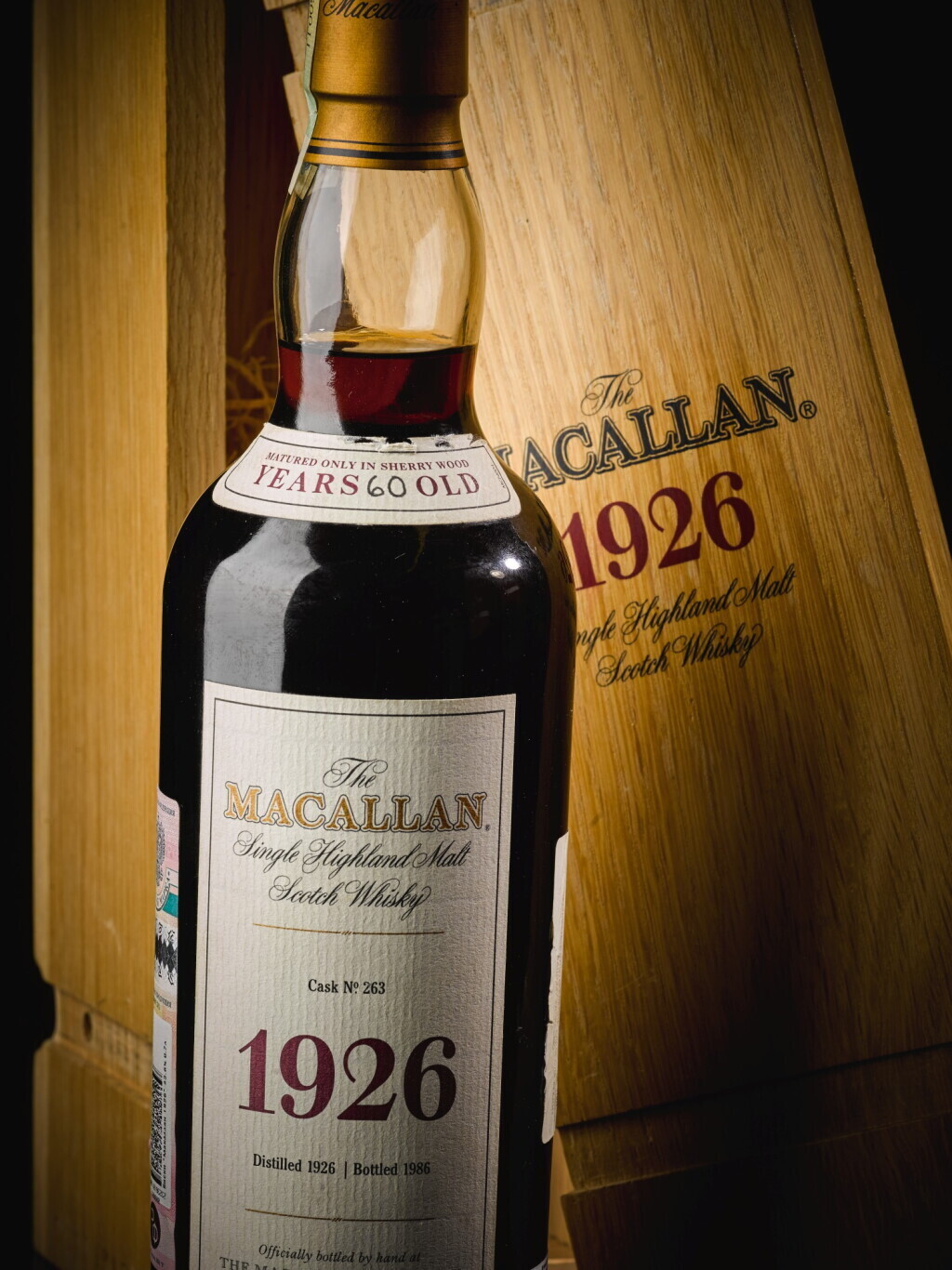
Rare watches, classic cars, fine wine, whisky, certain categories of art and collectable coins have all attracted buyers looking beyond conventional financial markets. More recently, limited-edition trainers, vintage toys, comic books and trading cards have developed enthusiastic followings.
However, collecting for investment is not quite as straightforward as it might appear. Rarity alone does not guarantee value; there must also be demand. Condition, original packaging, certificates and documented ownership can all make a considerable difference. There are costs, too. Insurance, storage, restoration, maintenance and auction commissions can reduce eventual returns. Unlike conventional investments, collectables rarely generate an income and can take considerable time to sell. Markets can also change as fashions and generations of collectors move on. The sensible approach is arguably to buy something you genuinely enjoy owning, rather than relying on it to provide a financial return.
Right images courtesy of Jam Press/Courtesy of RM Sotheby
The pleasure of the pursuit
 Perhaps the most rewarding collections are those built around genuine enthusiasm rather than anticipated profit. There is considerable satisfaction in researching an object, tracking down a particular piece, learning its history and gradually bringing together a collection that reflects an individual's interests and personality.
Collections can also become part of a property's character: a library of first editions, an impressive collection of paintings, antique furniture, vintage cars or interesting objects gathered during a lifetime of travelling. They tell a story about their owners and can make a house feel distinctly individual.
Ultimately, whether collecting is driven by passion, nostalgia, curiosity or investment, its appeal lies in the pleasure of the pursuit. And while a valuable collection may provide a welcome financial return one day, the enjoyment of owning something genuinely special is often the greatest reward.