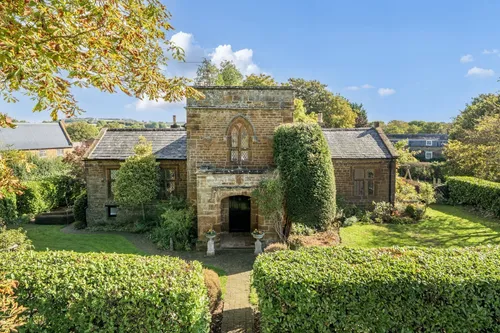
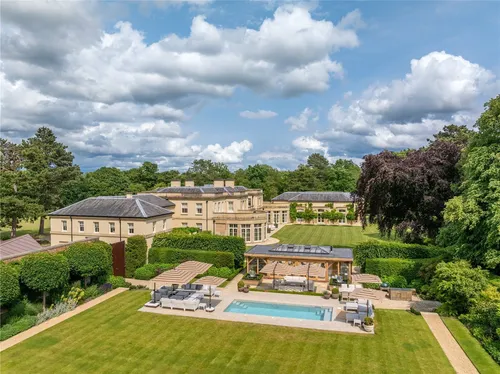
There are few villages on the Wirral with quite the same sense of character as Thornton Hough. Its village green, distinctive black and white buildings, handsome churches and attractive cottages give it an almost timeless quality. Yet behind this appealing rural appearance lies a fascinating story involving medieval landowners, an ambitious industrialist, one of Britain's most recognisable household brands and a family whose influence is still evident throughout the village today.
From medieval settlement to model village
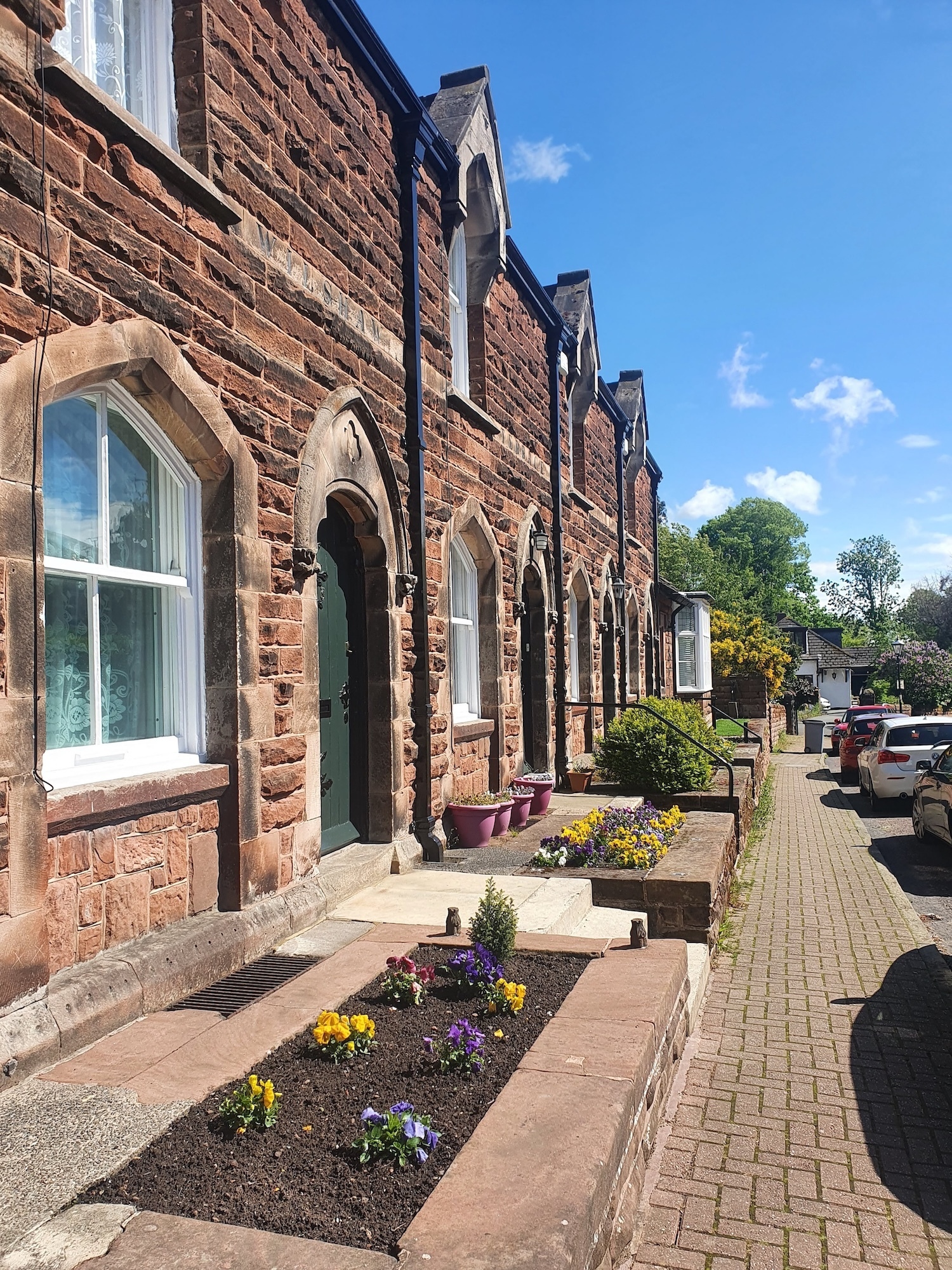 Thornton Hough has a history stretching back to the Domesday Book of 1086, when the settlement was recorded as 'Torintone'. Its present name is believed to have evolved during the reign of Edward II, when the land came into the possession of Roger de Thornton. His daughter married Richard de la Hough, bringing together the two family names which eventually became Thornton Hough.
By the middle of the 19th century, the village was a relatively modest rural settlement. Its transformation began with the arrival of Joseph Hirst, a wealthy Yorkshire woollen manufacturer who purchased farmland in the village in 1866. He set about creating a small model settlement, funding the construction of All Saints Church, the vicarage and a school, alongside housing and other village facilities. These improvements established the foundations of the attractive community that would develop over the following decades.
Enter William Lever
 The next, and arguably most significant, chapter began with William Hesketh Lever, later the first Viscount Leverhulme. Having built a successful business producing Sunlight Soap, first manufactured in Warrington in 1884, Lever needed a much larger manufacturing operation. In 1888 he established his new soap works on the Wirral, creating Port Sunlight, which would become one of Britain's most celebrated model villages.
Lever's social vision extended well beyond building a factory. He wanted to provide his workforce with good-quality housing and community facilities, creating a planned village with schools, shops, public buildings and attractive green spaces. Having moved to Thornton Manor in 1888, he developed an equally strong interest in the surrounding v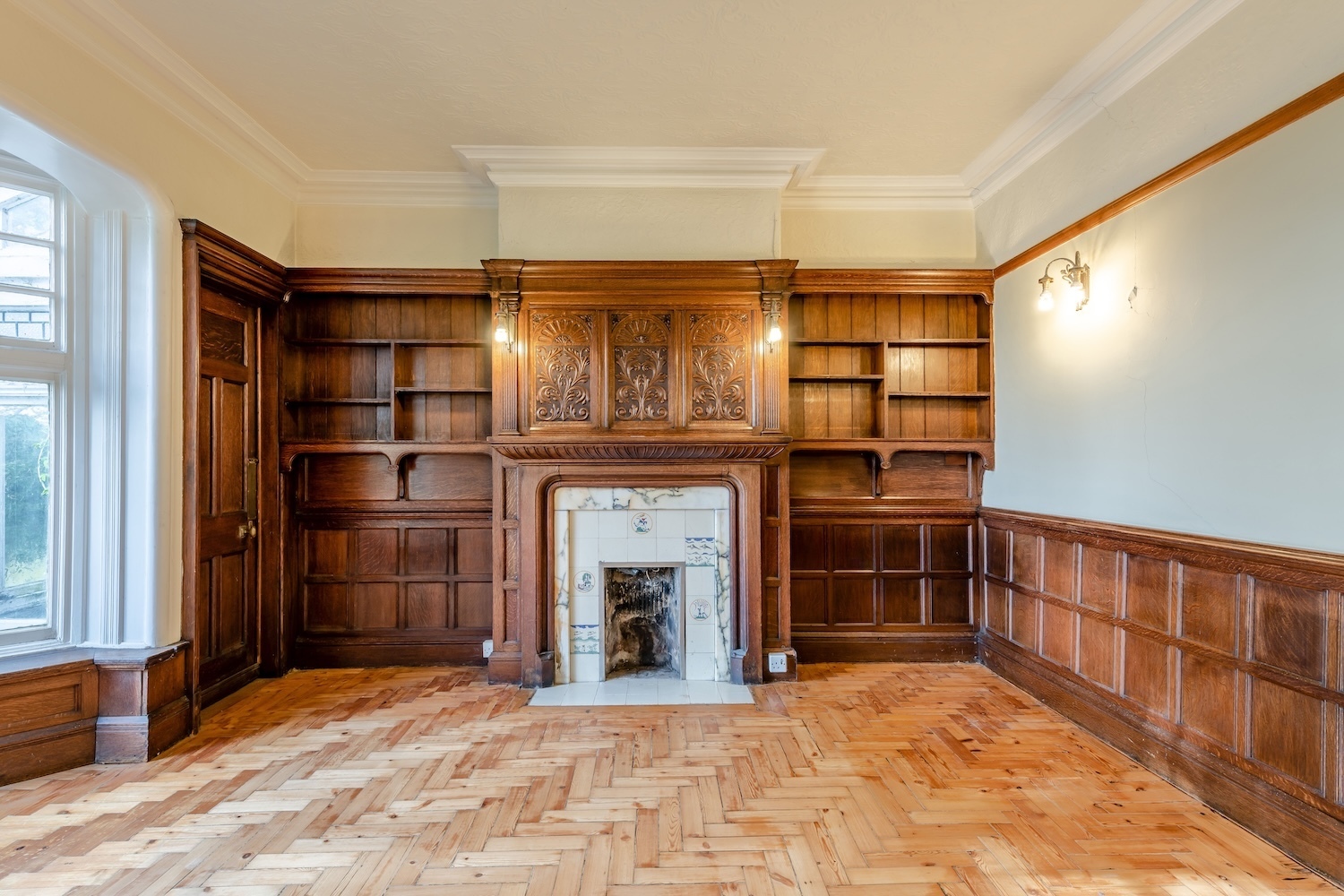 illage of Thornton Hough, acquiring much of the surrounding farmland and embarking on an ambitious programme of improvements.
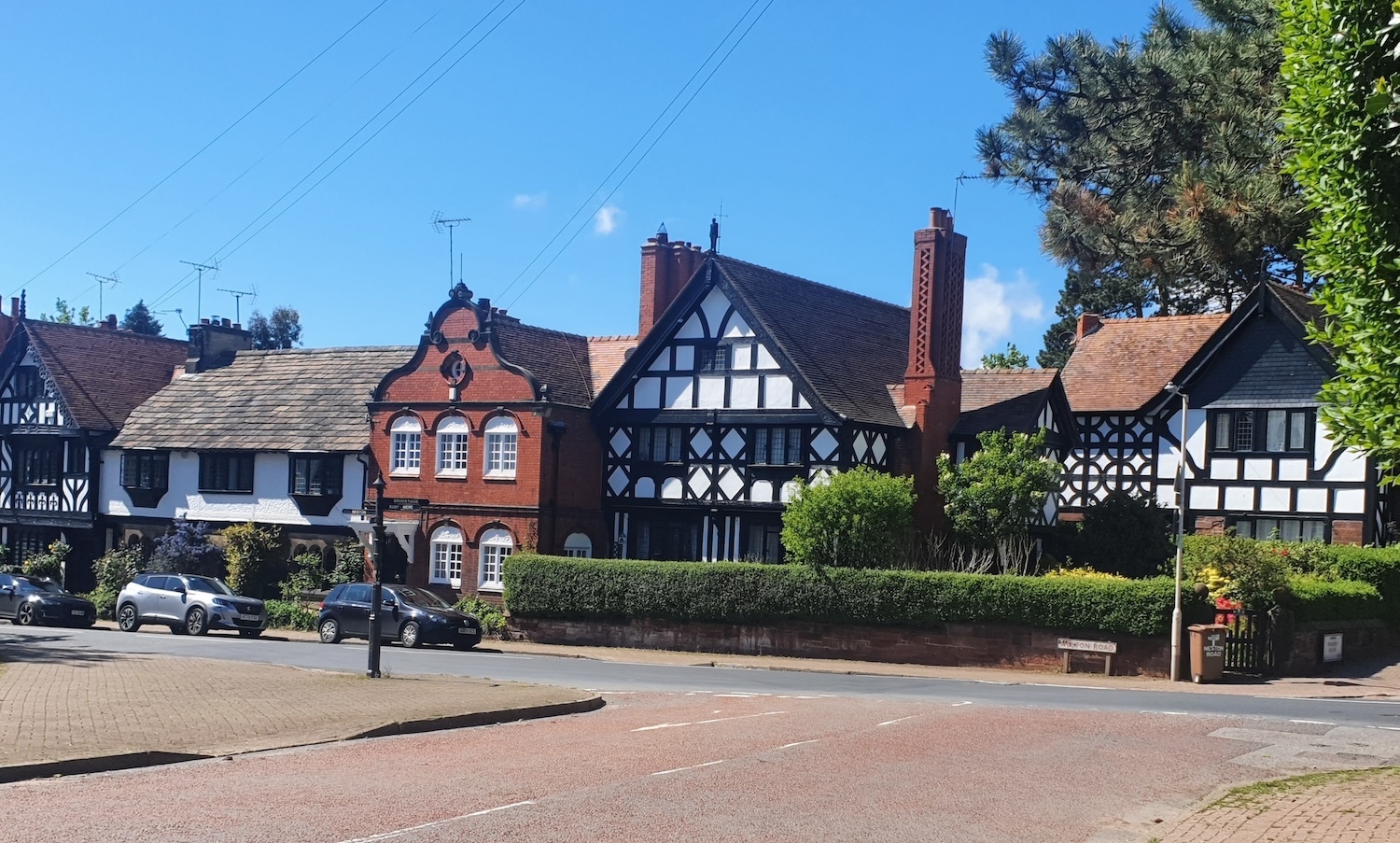
He commissioned St George's Church, together with houses for estate workers and managerial staff, shops, a school, post office, village club and smithy. Unlike Port Sunlight, which was specifically designed around the soap factory workforce, Thornton Hough retained its rural identity, combining estate cottages, substantial private houses and community buildings within an agricultural setting.
A village for his family, too
Lever's involvement in Thornton Hough was not simply an industrialist's attempt to create an attractive estate village. He also made it a home for members of his own family, building and providing houses for his parents, siblings and other relatives. One particularly interesting example is Thicket Ford, the handsome period house built in 1892. Designed by the architects William and Segar Owen, it was built for Lever's sister, Eliza Bromiley, who moved there in 1897 following the death of her husband. She gave the house its name, taken from her former home in Bolton.
It is a lovely personal detail in the wider story of the village, illustrating how closely the Lever family was connected to the community 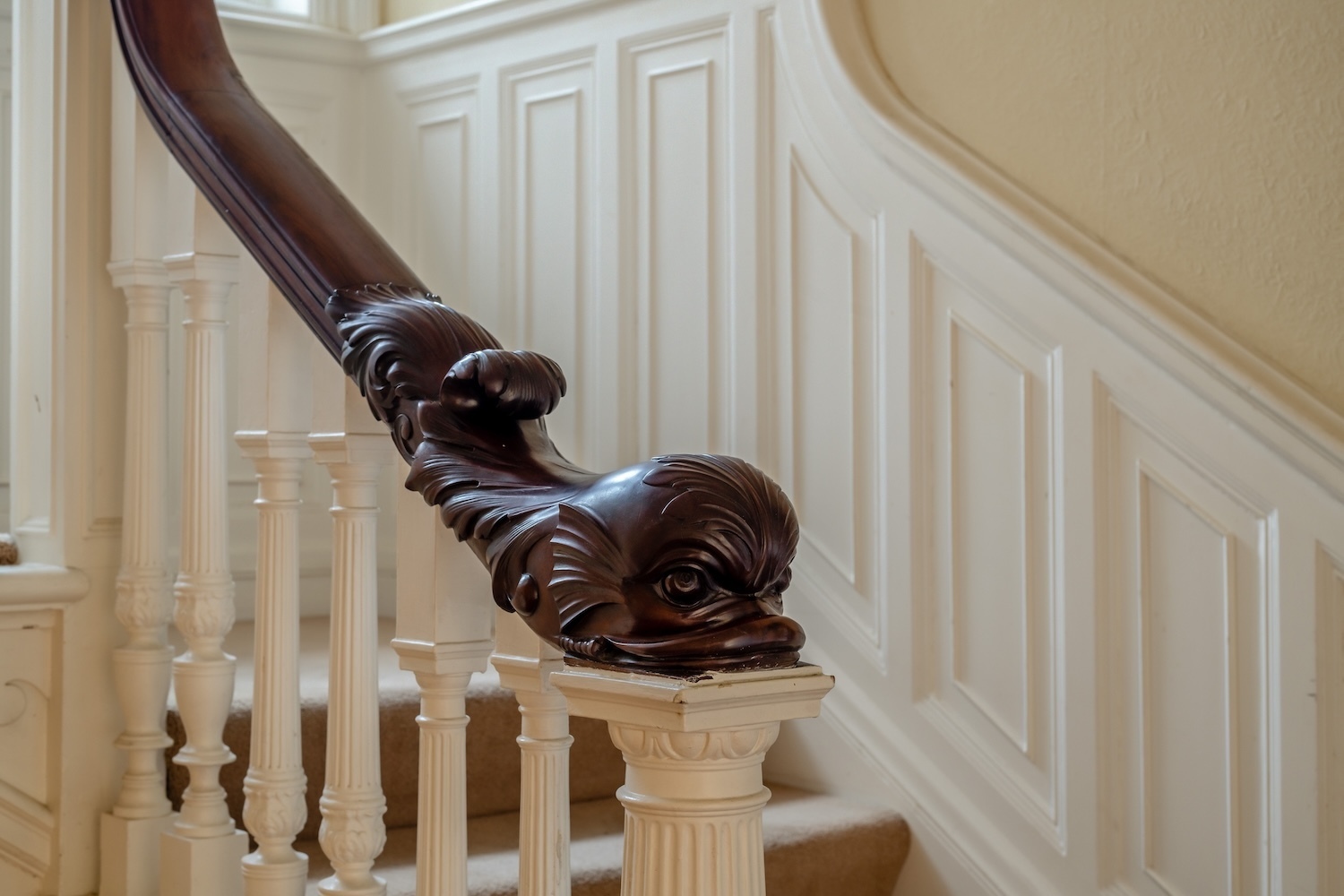 they helped shape. Thicket Ford remains an important part of that architectural legacy, with its distinctive black and white half-timbered elevations, red brickwork and substantial proportions characteristic of the period.
A legacy that remains today
The Lever family's influence continued well into the 20th century, with successive generations maintaining their involvement in the estate and wider community. The village green remains a focal point for local life, while the churches, school, traditional cottages and larger houses provide a remarkable sense of architectural continuity.
Today, Thornton Hough is a designated Conservation Area, recognised for its historic and architectural interest. Its varied buildings, mature gardens and open spaces give it a character quite different from many other Wirral settlements. It is a village that has evolved over centuries, rather than simply being created as a planned development.
It is against this historical backdrop that Thicket Ford occupies its position in the heart of the village. Still owned Leverhulme Estate, the house retains many of its original features, including a remarkable pair of original curved glass panes forming part of the picture window in the morning room (quite remarkable for 1892).. Set within approximately three-quarters of an acre of mature, walled gardens, it now offers an opportunity for a new owner to undertake its modernisation and give this important family house another chapter in its history.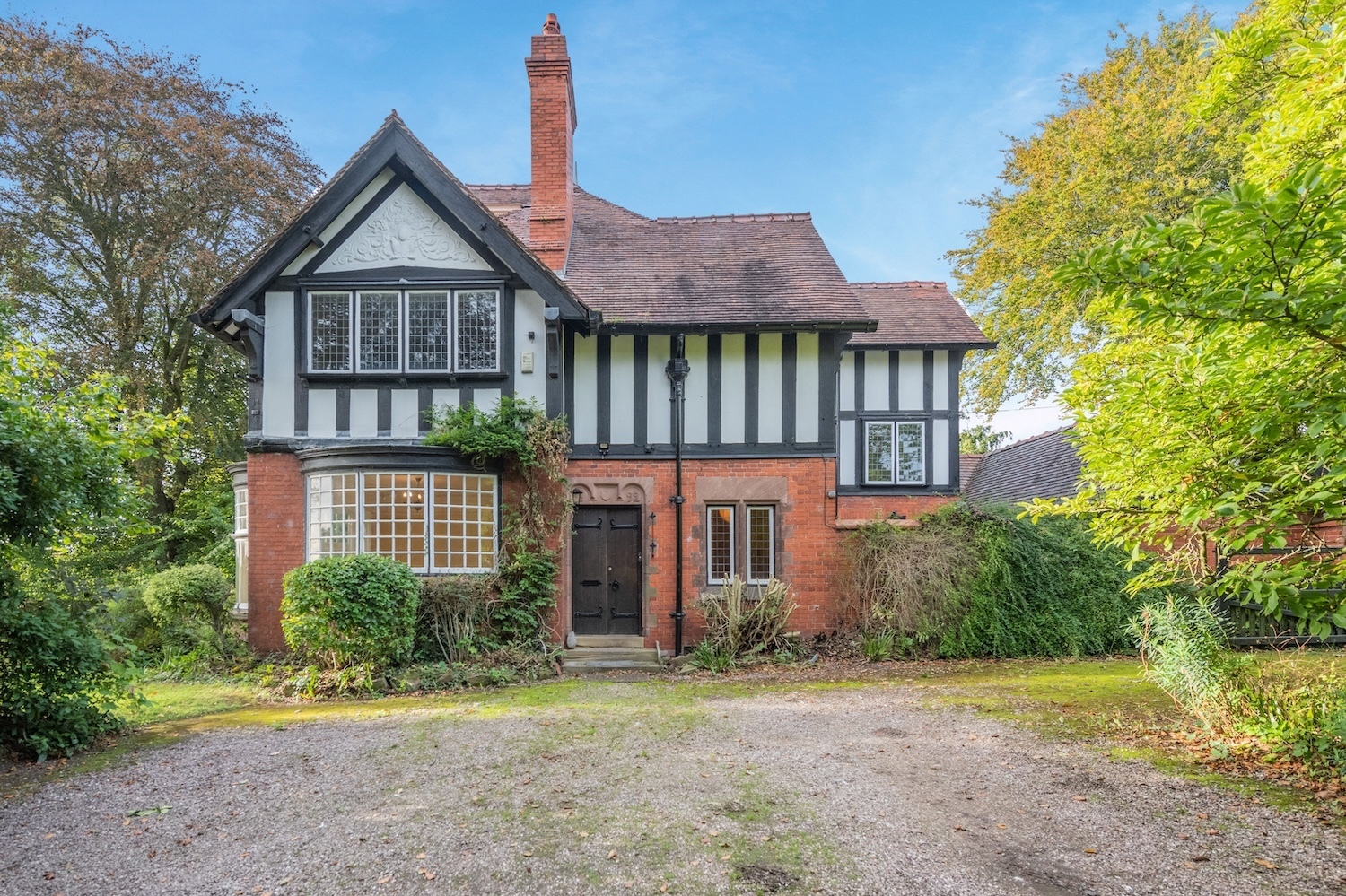
Currently being offered for sale by Jackson-Stops at £900,000, Thicket Ford is more than an attractive period property; it is a tangible link to the family who helped shape Thornton Hough and whose legacy remains such an important part of the village today.