Big Picture
Pressure for new housing plus policy changes to farm subsidies and taxes, have generated more uses and demand for land, than ever. The question we are asked, though, is always the same: What is land worth?
Among the things money can buy, land is special. Unlike, say, cars or jewellery, it grants security and monopoly control over a unique part of that which our world is, and which supports and connects us all. What we do on, and to, land we own, affects our environment and neighbours of today, and of future generations.
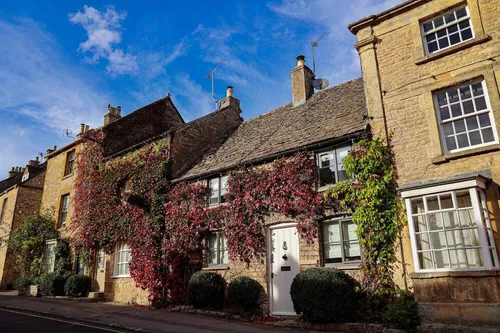
 This is why, from an economic standpoint, land values often make little sense. It is why agricultural rental yields average 1% or less, why one Cotswold client recently paid £200,000 to extend their garden and why, if you have a large area of woodland to sell, the most profitable route might be to sell multiple lots with covenants preventing development. Here, we take a broad look at the land market, the growing range of land uses – and how much buyers actually pay.
FARMLAND: LOW PROFITS & RENTS, HIGH CAPITAL VALUES
The UK is a little over 95,000 square miles of land. Of that, just 7% is urban and 52% is “enclosed farmland”1. Currently, farming is extraordinarily unprofitable. Average net income per farm last year increased to £10,600 and 30% of farming businesses lose money. Farmland rents average just £88 per acre2, yet the same land sells for a hundred times as much. Such differentials only make sense in the light of the special nature of land and, some argue, the value of farmland subsidies and tax advantages. In the many instances where much higher figures are achieved, it is because the potential exists either for the conversion of existing buildings, or for a different kind of use.
 DIVERSIFICATION YIELDS HIGHER VALUES
Incentivised for decades to diversify, UK farming has been successful in creating – or at least embracing – new markets and commercial reasons to buy land. The potential value to buyers in such markets thus needs to be considered. They include:
- Leisure: wedding venues, camping sites, ‘farm experience’ holidays, adventure parks and wildlife tours.
- Countryside stewardship: payments for carbon sequestration, biodiversity and flood control schemes (often coupled with leisure uses).
- Exotic crops for a warmer climate: farmers in East Anglia (which is especially dry) are experimenting now with fields of miscanthus grass (for bioenergy) and olive groves. By 2080, they expect to be growing oranges3.
- Renewable Energy: A 20 acre, 1MW wind farm can pay a guaranteed rent of £10,000 per year (£500 per acre) for a decade or more, while allowing continued use for farming. Similarly, ‘agrovoltaics’ is currently attracting much interest. This combines arable farming with higher, more widely-spaced solar panels to harvest power and protect crops from excessively strong sunlight.
 WOODLANDS
The market in woodlands for private enjoyment was given a strong boost by the Covid pandemic. Buyers want quiet, beauty, a stream and enough flat ground for a picnic and a tent. At an average of around £12,000 an acre and over £20,000 for the best plots, such demand can transform hilly woodland from Cinderella status to match top agricultural values. To achieve this, it can help to split the woodland up (three to seven acres is most popular) and impose restrictions – designed to ‘run’ in subsequent sales – within the sale contract. These add value by ensuring that owners and their neighbours all know that they have all agreed not to, for example, use guns, race motor vehicles, run a commercial campsite, or build permanent property.
DEVELOPMENT LAND: REAL VALUE, HOPE VALUE AND CONTROL
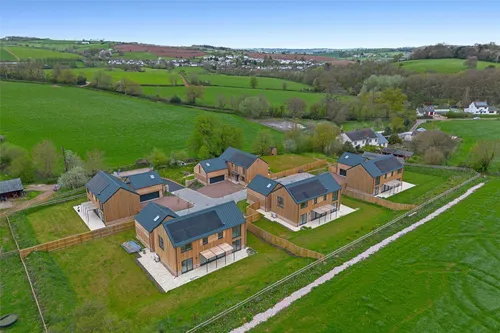
Land in development zones has clear value as a plot: the valuer’s job is to identify the most valuable solution for which permission is likely to be granted and work the numbers back. Planning and professional fees often amount to 15% - 20% of the build cost. Taking such factors into account, an acre plot for, say, four £800,000, 4 bed houses, tends to be worth around £500,000 and, across most of the country, sales of larger areas of and with residential permission fall within a range of £350,000 to £700,000 per acre.
 The picture is very different for land lying just outside development zones. Here, we get into the realm of hope value, options and, above all, control. Within villages, we are seeing more deals like the Cotswold one mentioned earlier, which involve homeowners paying a premium for adjacent land despite little chance of it ever being developed, or even used for commercial ‘glamping’ by rowdy holidaymakers. But, having the money to make sure, neighbours buy the peace of mind that control, brings.
HOUSES WITH LAND: PRIVACY AND LEISURE
In the mainstream family house market, a very large garden can deter as well as attract. Further upmarket though, homes with many acres are actively sought by equestrian buyers and those wanting privacy, control and beautiful gardens. Even then, for a small estate with two houses plus stables, some will consider its surrounding dozen or so acres to be ample. Thus its additional barn and land of some 10 acres, is offered separately and, having significant ‘hope value’, is likely to achieve in excess of £75,000 per acre. As ever though, the answer to ‘What is it worth?’ will only be proven, when it is sold.
Sources:
1 ONS
2DEFRA / Gov.uk
3 University of East Anglia